
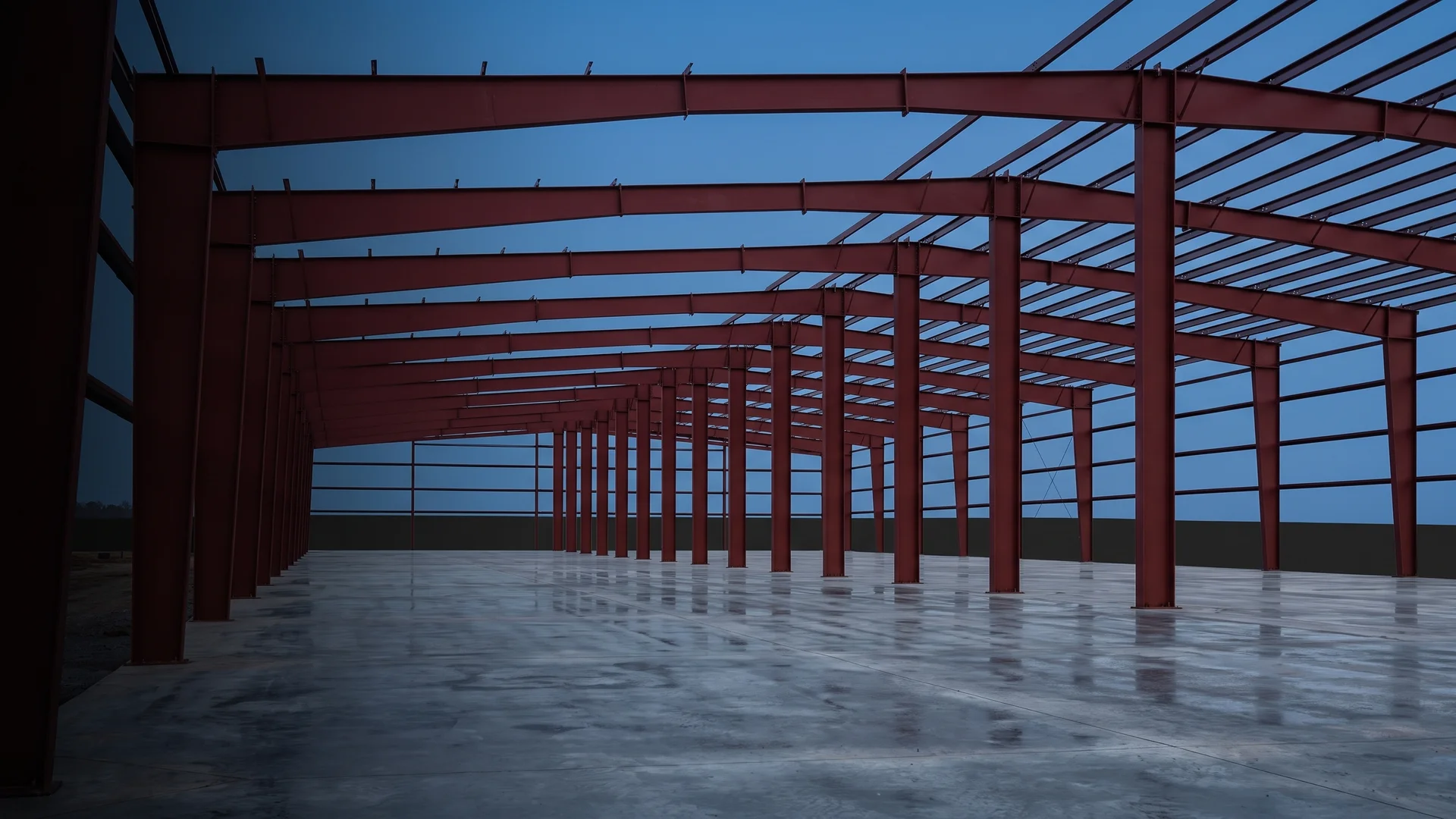
AP as the contractor of record
A commercial general contractor that holds the whole job
One contract with the owner. Every trade contract held by AP. One project team accountable for schedule, cost, safety, quality, and closeout.
- Prequalified subcontractors bid and leveled in BuildingConnected
- A Project Manager, Superintendent, and Project Coordinator on every job
- Third-party safety audits and OSHA 30 superintendents on site
What the owner gets from one accountable contractor
AP Construction is a commercial general contractor. On most of the facilities we have built, AP signed one contract with the owner and held every trade contract beneath it. The owner had one number, one schedule, and one party to call when anything on the site needed an answer.
That model works because of what sits behind it. Trades come from a prequalified database and are bid and leveled in BuildingConnected. A named project team runs the master schedule and the three-week look-aheads. A third-party safety firm audits the site. Changes are priced and agreed before they are built.
This page explains how AP runs a project as general contractor, and when a construction management or design-build contract might serve you better.
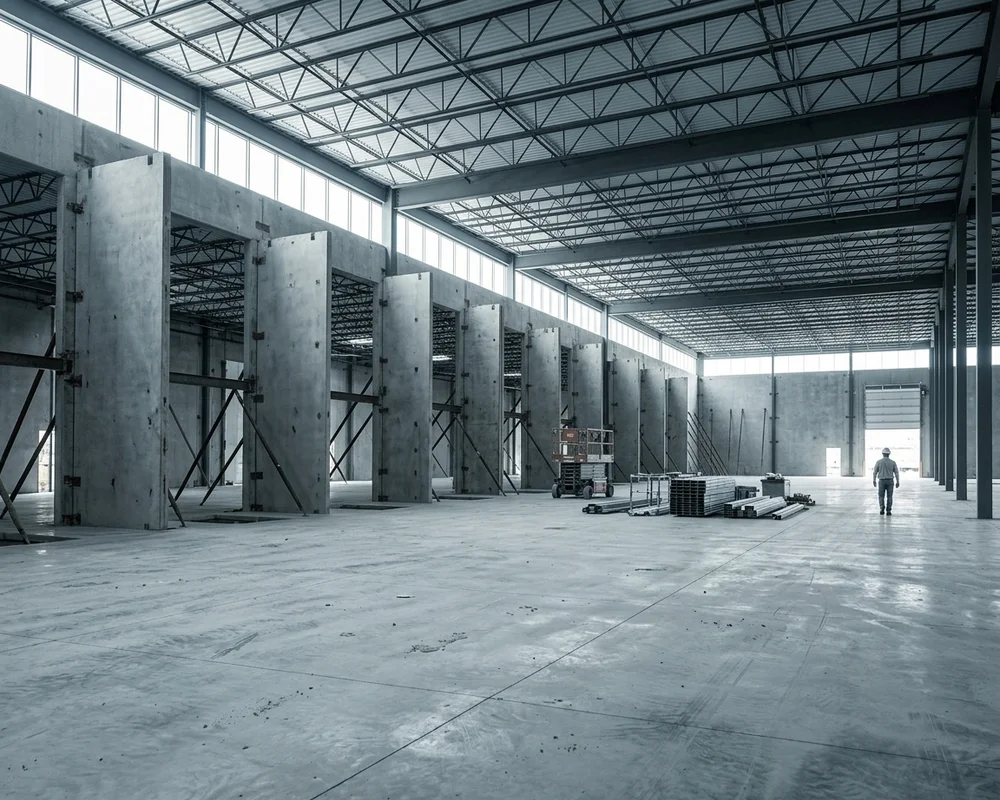
Why owners contract with AP as general contractor
One price, stated plainly
Leveled trade bids roll up into a proposal that lists inclusions, exclusions, and allowances, so the number means what it says.
One party to call
Subcontractors answer to AP. The owner deals with a Project Manager who can make decisions.
A site that runs on a plan
The master schedule and three-week look-aheads put every trade in sequence, and the superintendent holds them to it.
No surprises at closeout
Inspections, commissioning, and documentation are tracked from mobilization, so turnover is a date.
Scope and trade management
A general contractor earns its fee by managing scope. Before award, AP breaks the documents into trade packages and checks that every line of work has a home. Slab and paving, structure, envelope, roofing, mechanical, electrical, plumbing, fire protection, site utilities, and specialty systems each get a defined scope with the interfaces between them written down.
That is where most field problems start: two trades each assume the other owns the dock leveler pit, the fuel island conduit, or the roof curb. AP resolves those seams during bidding and carries them into the subcontracts, so the question is settled before the first crew arrives.
The project team
Every AP project runs with the same three roles. The Project Manager owns the contract, the budget, the schedule, and the owner relationship. The Project Superintendent runs the site daily, sequences the trades, and holds safety and quality. The Project Coordinator keeps submittals, RFIs, procurement logs, and documentation current in Procore, so the other two are never waiting on paper and the owner can open the same record.
Executives stay involved from preconstruction through turnover. On a project of the size AP takes on, the owner should be able to reach the people who priced the job and the people who are building it, and at AP those are the same team.
Subcontractors and bidding
Trade partners come from AP’s prequalified subcontractor database. Each firm enters through a stringent prequalification process that covers financial capacity, safety record, and relevant experience. Bidding runs in BuildingConnected, where every trade prices the same scope and AP levels the results line by line.
Leveling is what turns a stack of totals into a real comparison. A number that carries the full scope, underground fire protection and dock equipment included, is the one worth comparing. The owner sees the leveled comparison.
Procurement
Long-lead items are identified during estimating and carried into the subcontracts with release dates. Switchgear, transformers, pre-engineered building packages, roofing, dock equipment, overhead doors, and specialty systems such as fuel, wash, and lifts are tracked in a procurement log from release through delivery. Where an item has to be released before the construction contract is signed, AP says so early and tells the owner what it protects.
Schedule
AP builds the master schedule with the owner, the design team, and key vendors. It carries permitting, procurement, and construction milestones in one place and stays current through the job. In the field, the superintendent runs three-week look-ahead schedules that put every trade on notice for what is coming and expose a slip before it reaches the critical path.
For owners with a fixed opening or operational date, the schedule is built backward from that date and the phasing is written so the site stays usable if the project touches existing operations.
Safety
A third-party safety-management firm audits AP jobsites. Superintendents hold OSHA 30 and CPR, First Aid, and AED credentials, along with the equipment certifications the work requires. The company trains monthly as an organization and weekly on every site, with individual hazard and refresher training as conditions change. Where a client has its own safety program, AP builds a site-specific plan to it.
Quality
Quality on an AP site starts before the work does. Submittals are reviewed against the documents, mock-ups and first-in-place work are inspected before a trade proceeds, and the superintendent walks the site against the drawings daily. Inspections by the jurisdiction and by the owner’s consultants are scheduled into the look-ahead as planned work.
Change control
Changes are managed through observations and RFIs logged as they arise. Anything with a cost or schedule effect is priced, reviewed with the owner and the design team, and value engineered where an alternative meets the same need for less. AP’s aim is to minimize schedule impact and to make sure no change is built before it is agreed. The owner sees the log, the pricing, and the decision, in that order.
Closeout and turnover
Closeout is tracked from mobilization. Punch lists, final inspections, commissioning coordination for building and specialty systems, as-built documentation, warranties, and operations training are scheduled into the final weeks with the same discipline as the structure. The facility is turned over ready to operate on the date it was planned for.
GC, CM, or design-build
General contracting fits an owner with a complete or near-complete design who wants a single price and a single accountable party. Construction management fits an owner who wants AP’s pricing and constructability input during design and open-book trade pricing. Design-build and build-to-suit fit an owner who wants one contract from requirements through an operating facility. AP delivers all three and recommends one during preconstruction, based on how the owner wants to hold risk and control design.
Sequence
From award to turnover
01
Award
Leveled trade bids, a stated proposal, and subcontracts that carry the resolved scope seams and release dates.
02
Mobilize
The project team, the master schedule, the site-specific safety plan, and the procurement log are in place before dirt moves.
03
Build
Three-week look-aheads, daily site walks, tracked submittals and RFIs, and changes priced and agreed before they are built.
04
Turn over
Inspections, commissioning coordination, documentation, and training sequenced so the facility opens on the planned date.
What the owner can expect from AP as general contractor
| Criterion | A typical GC arrangement | AP as general contractor |
|---|---|---|
| Trade pricing | Totals compared at award. | Bids leveled line by line in BuildingConnected, with inclusions and exclusions visible to the owner. |
| Site leadership | A superintendent shared across jobs. | A named Project Manager, Superintendent, and Project Coordinator with executives still involved. |
| Schedule | A baseline that ages after mobilization. | A master schedule kept current, driven in the field by three-week look-aheads. |
| Safety oversight | Internal only. | Third-party audits, OSHA 30 superintendents, monthly and weekly training. |
| Changes | Built first, priced later. | Logged, priced, value engineered, and agreed before work proceeds. |
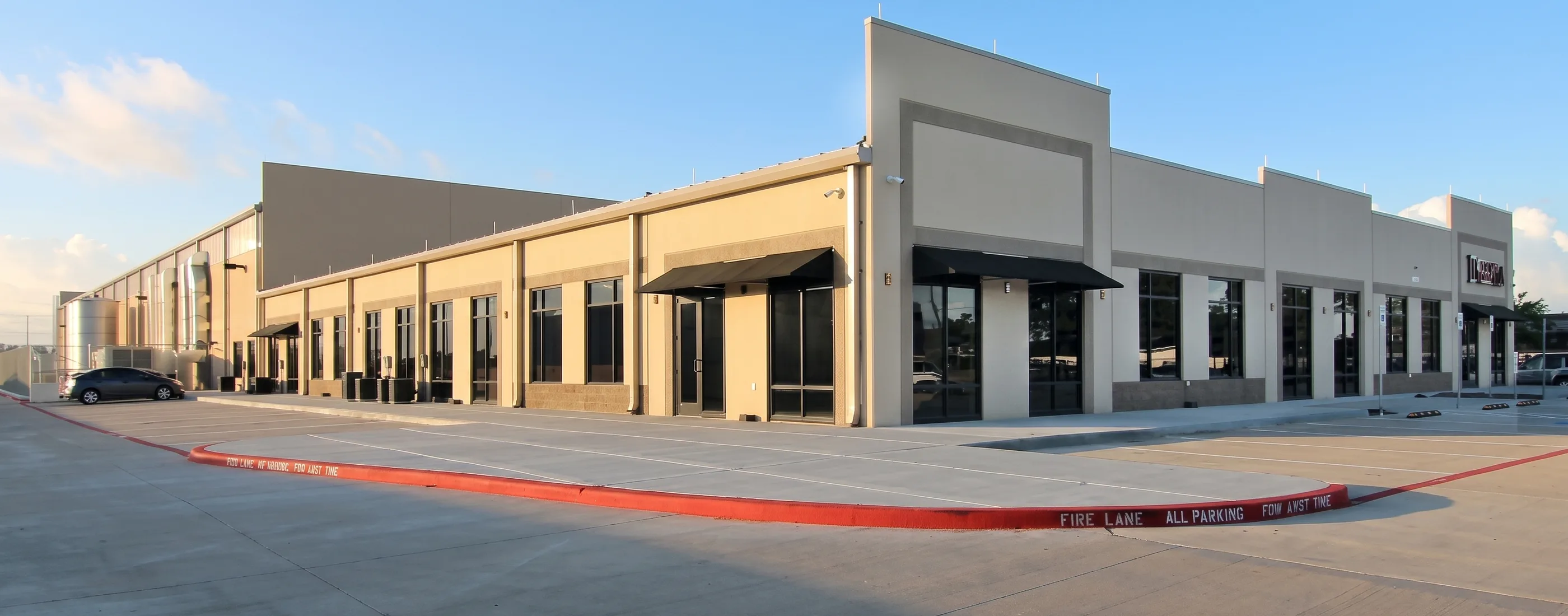
Relevant project
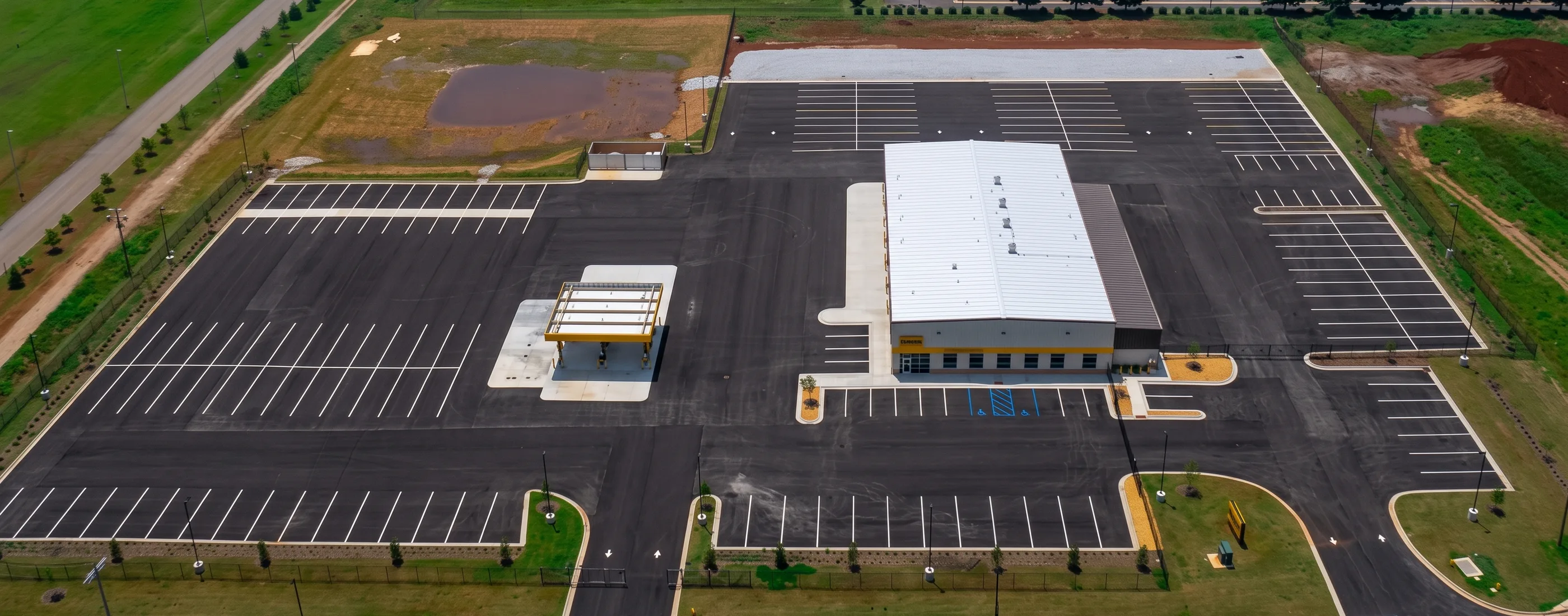
Dishaka Industrial Facility
- A 108,040 SF tilt-wall facility on nine acres in Stafford that puts 17,040 SF of office, 32,049 SF of production, and 58,951 SF of warehouse under one roof.
- Three operations under one tilt-wall roof means three sets of trade scopes meeting at the same slab, structure, and site. Office finishes, production power and process utilities, and warehouse clear height and docks each had to be sequenced on a nine-acre site that also carried truck access and drainage.
General contracting questions
What does it mean for AP to be the general contractor of record?
AP signs one contract with the owner and holds every trade contract underneath it. The owner has one party responsible for the price, the schedule, the jobsite, and the finished building. Subcontractors answer to AP, and AP answers to the owner.
Does AP self-perform work or subcontract it?
AP manages the project and holds the trade contracts. The work is performed by subcontractors from AP’s prequalified database, coordinated daily by an AP superintendent on site. That model keeps the trade base specialized while accountability for the whole stays with AP.
Can AP price a project from a complete set of drawings?
Yes. AP bids from complete documents through BuildingConnected, levels every trade bid line by line, and returns a proposal with inclusions, exclusions, and allowances stated. Where the documents leave gaps, we close them before award.
What happens when a subcontractor falls behind?
The three-week look-ahead surfaces the slip before it reaches the critical path. The superintendent resequences work, adds crews, or replaces the trade from AP’s prequalified base. The owner hears about it from AP, with the recovery plan.
Who handles inspections and permits during construction?
AP schedules and attends every inspection, tracks permit conditions, and coordinates with the jurisdiction from mobilization through the certificate of occupancy. Licensed design partners respond to code comments; AP keeps the approvals moving so the field keeps moving.
How are change orders handled on an AP project?
Observations and RFIs are logged as they arise. Anything with cost or schedule effect is priced, reviewed with the owner and design team, and value engineered where possible before it is approved. Every change is priced and approved before it is built.
Is general contracting the right model for my project?
It fits owners with a complete or near-complete design who want a single price and a single accountable party. Owners who need pricing input during design usually start with preconstruction or construction management and move to a GC contract at award.
Have a set of drawings ready to price?
Send them over. AP will return a leveled proposal with the scope, the assumptions, and the long-lead items stated plainly.