
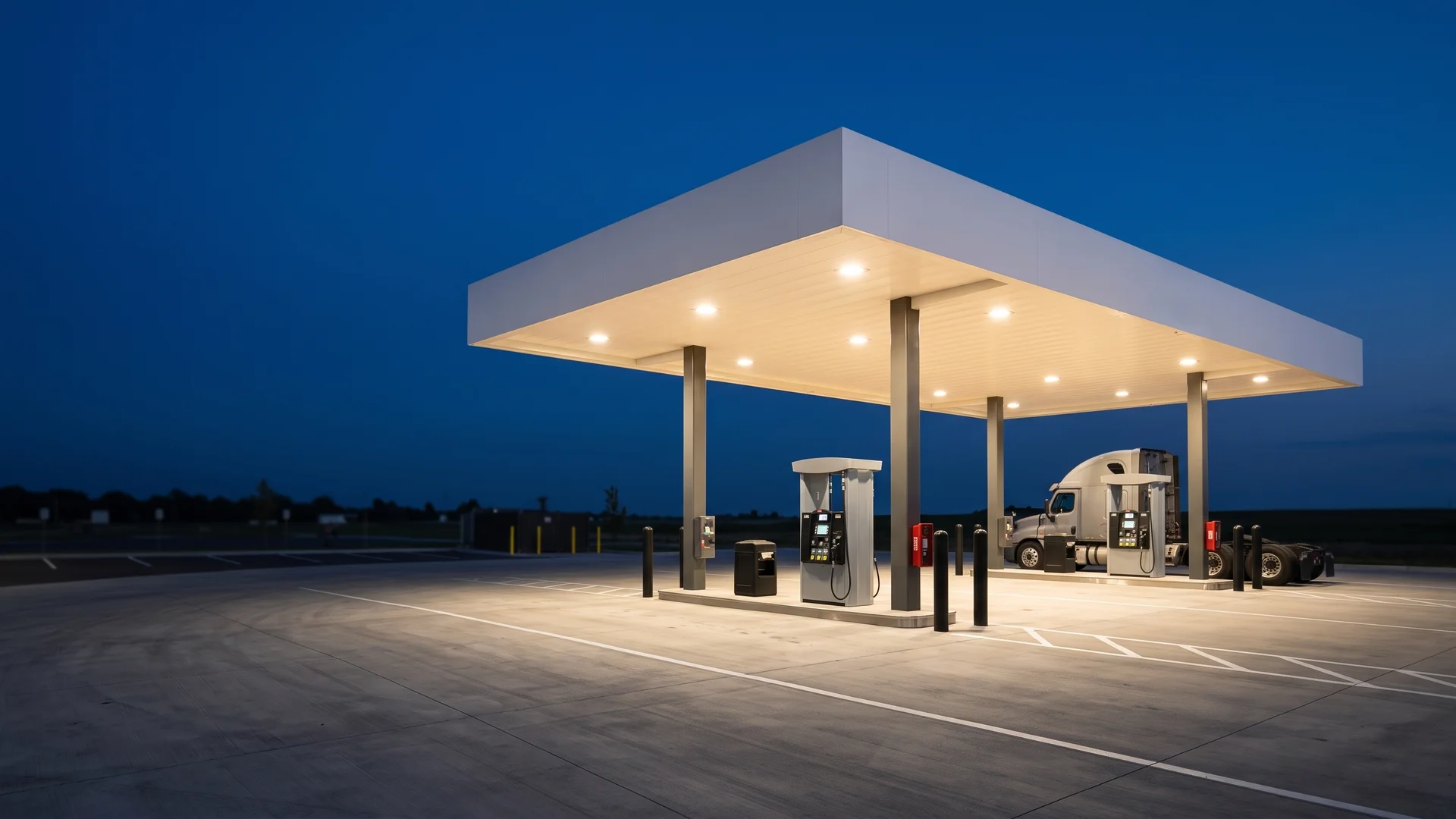
Gulf Coast coverage along I-10
Louisiana industrial and commercial construction along I-10
Logistics, fleet, light industrial, branch, and retail facilities from Lake Charles to Baton Rouge and New Orleans, planned and delivered by AP from Houston.
- Gulf Coast site planning: drainage, flood zones, and heavy truck traffic
- Registration, permitting, and parish requirements coordinated before contract
- Prequalified Louisiana trades bid and leveled in BuildingConnected
Same coast, same conditions, same system
Louisiana is an approved AP service area, run from the Houston headquarters with a field team staffed for each job. The practical advantage is that Louisiana’s Gulf Coast looks a great deal like Houston’s: flat land, intense rain, flood zones, soils that decide the slab, and freight moving in volume along I-10. AP has planned and built facilities under all of those conditions in Texas.
The drive east from Houston reaches Lake Charles, Lafayette, Baton Rouge, and New Orleans along one interstate. For a distributor, carrier, bank, or retailer with operations on both sides of the Sabine, AP brings the same preconstruction, the same team, and the same standards to the Louisiana facility that it brought to the Texas one.
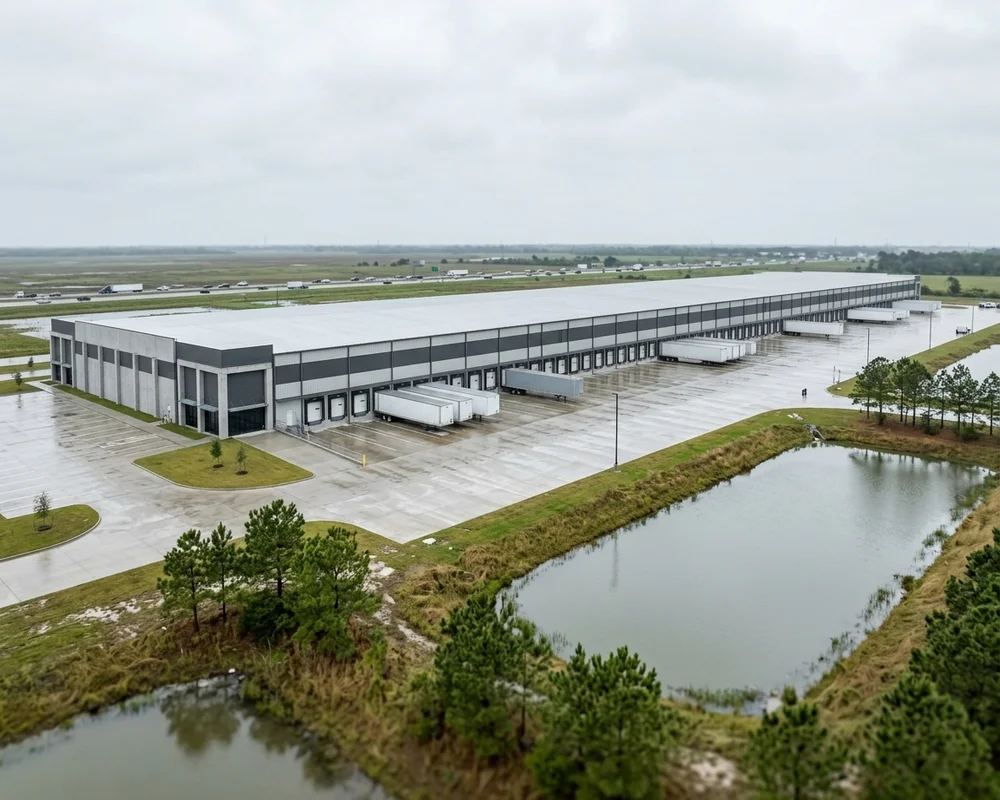
What Louisiana owners get from AP
Gulf Coast site sense
Drainage, detention, finished floor, and paving decisions made on flat, wet ground before, not after, the footprint is fixed.
Requirements coordinated
State and parish registration, permitting, and inspection paths confirmed with local partners before contract.
Louisiana pricing
Prequalified trades that work the state, bid and leveled in BuildingConnected on the complete scope.
One accountable team
Superintendent on site daily, PM and Coordinator on the schedule, third-party safety audits, leadership at milestones.
I-10 and the Gulf Coast
Louisiana’s industrial and logistics activity follows I-10 across the southern third of the state, from the petrochemical and port economy around Lake Charles, through Lafayette, to Baton Rouge and the New Orleans region, with I-49 and I-12 feeding the corridor from the north. Trucks move product between Texas and the Southeast on that road every hour of the day, and the facilities that serve them need the same things AP plans everywhere: circulation that works, paving that lasts, docks and bays sized for the operation, and an opening date that holds.
The users along the corridor are familiar ones. Regional and last-mile distribution. Truck and fleet service. Light manufacturing and assembly. Branches, stores, and automotive service centers following the population. AP pursues all of them in Louisiana.
Drainage, flood zones, and finished floor
On the Gulf Coast, water decides the site. Flood-zone status sets the finished floor elevation and can shape the whole project budget. Detention, grading, and outfall design decide how much of a parcel can be paved and built and how the yard performs in a storm. Soils vary and drive the slab and paving sections. None of this is unique to Louisiana, but all of it has to be answered before the estimate means anything.
AP brings civil and geotechnical consultants into site review at the start. Flood-zone status, finished floor, detention volume, and outfall are settled with the building footprint, not after it. The result is a number that reflects the parcel and a site that drains the way it was designed to.
Registrations and local approvals
Louisiana has its own contractor licensing and registration framework, its own code adoptions, and parish and municipal permit processes that differ from one jurisdiction to the next. AP confirms each of them for the parish and the site. Before contract, we confirm what the specific project requires, coordinate registrations and filings with local partners, and map the permit path with the licensed design, civil, and environmental consultants who prepare the submittals.
Each requirement becomes a scheduled item with an owner and a duration. The approval sequence is tracked the way it is on every AP project, so a Louisiana job runs on a plan from day one.
One team from Houston
AP is headquartered in Houston and covers Louisiana as a service area. A Project Superintendent is on the site every day. A Project Manager and Project Coordinator run the master schedule, submittals, RFIs, and change control. Three-week look-ahead schedules sequence the field, a third-party safety-management firm audits the jobsite, and superintendents hold OSHA 30 and CPR, First Aid, and AED credentials. Leadership stays involved from preconstruction through turnover and makes the drive when the milestone needs them there.
Subcontractors come from AP’s prequalified database, invitations go to firms that work Louisiana, and bids are leveled in BuildingConnected so the owner sees a local number on the full scope.
Relevant experience
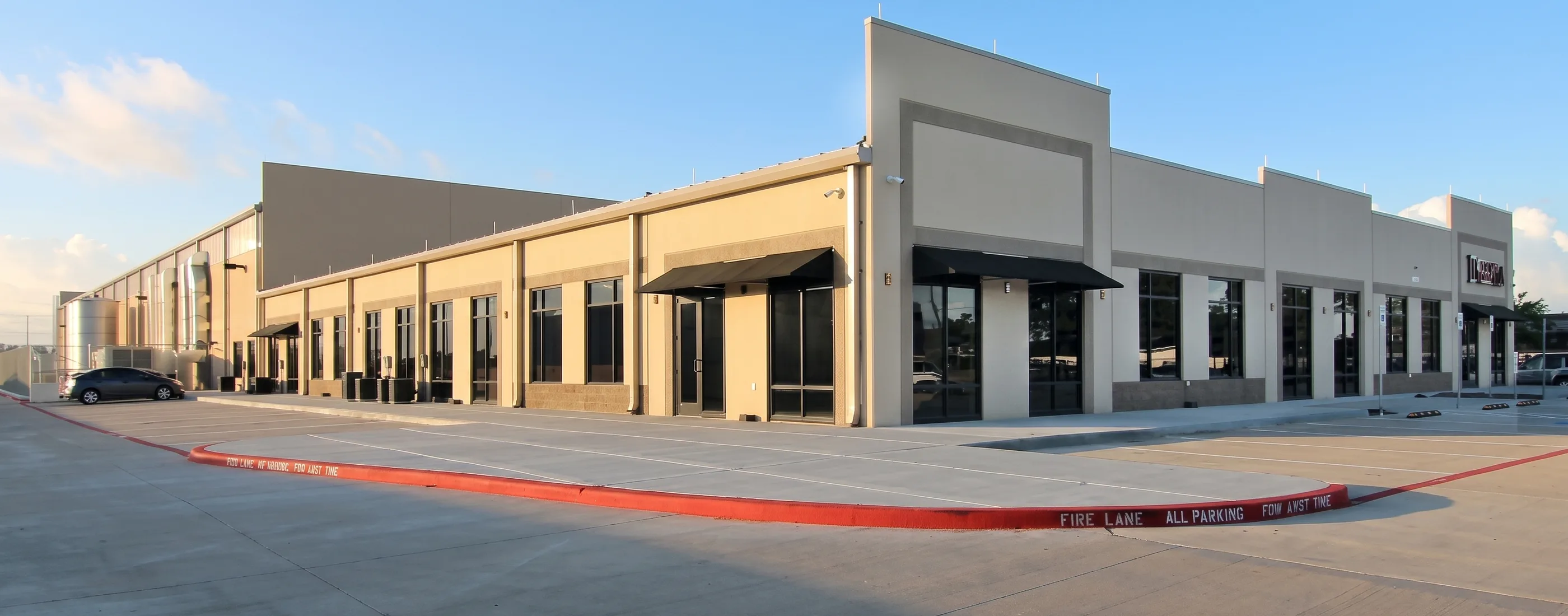
Dishaka Industrial Facility
- A 108,040 SF tilt-wall facility on nine acres in Stafford that puts 17,040 SF of office, 32,049 SF of production, and 58,951 SF of warehouse under one roof.
- A flat nine-acre Gulf Coast site southwest of Houston where drainage, truck access, and three sets of building systems were planned against one site plan. The same conditions and the same questions shape an industrial site along I-10.
Delivery in Louisiana
How a Louisiana project runs
01
Site and water
Flood-zone status, finished floor, drainage, utilities, and soils confirmed with licensed consultants before pricing.
02
Requirements and pricing
State and parish requirements confirmed; Louisiana trades bid and leveled in BuildingConnected.
03
Field team on site
Superintendent daily, PM and Coordinator on the schedule, third-party safety audits.
04
Open on the date
Commissioning, inspections, and turnover sequenced to the date set in preconstruction.
Building in Louisiana: questions
Does AP Construction build in Louisiana?
Yes. Louisiana is an approved AP service area alongside Texas and Oklahoma. Projects are run from the Houston headquarters, a direct drive along I-10 to Lake Charles, Lafayette, Baton Rouge, and New Orleans, with a field team staffed for the job and the same delivery system behind AP’s published Texas work.
What Louisiana facilities does AP pursue?
Distribution and logistics buildings, truck and fleet facilities, light industrial and manufacturing, bank branches, automotive service centers, and retail or workplace projects. Gulf Coast freight, fleet, and industrial users along I-10 are the closest match to the work AP has completed in Texas.
Is AP licensed in Louisiana?
Contractor licensing, registration, and permitting requirements vary by state and parish, and AP confirms and coordinates what a specific Louisiana project requires with local partners before contract. Tell us the parish and the facility and we will walk through the path for that project.
How does AP handle flood zones and drainage on a Louisiana site?
The same way it handles them on the Texas Gulf Coast. Civil engineers are brought into site review early to settle flood-zone status, finished floor elevation, detention, and outfall before the footprint and paving are fixed, so the site performs in a storm and the estimate reflects the real parcel.
How is a Louisiana jobsite staffed?
A Project Superintendent is on the site daily, a Project Manager and Project Coordinator run the schedule and submittals from AP’s system, and preconstruction and leadership travel for site walks and milestones. Trades are prequalified firms that work Louisiana, bid and leveled in BuildingConnected.
Why choose a Houston contractor for a Louisiana project?
Proximity and matching experience. Houston shares Louisiana’s Gulf Coast conditions, flat sites, heavy rain, and heavy truck traffic, and AP has planned facilities around all three. For an owner with operations in both states, one team and one delivery system also keep the program consistent.
Planning a facility in Louisiana?
Send us the parish, the parcel, and the program. We will confirm the requirements, review the water, and tell you what it should cost and when it can open.