
Approved service area, same team and system
Oklahoma industrial and commercial construction, extending north
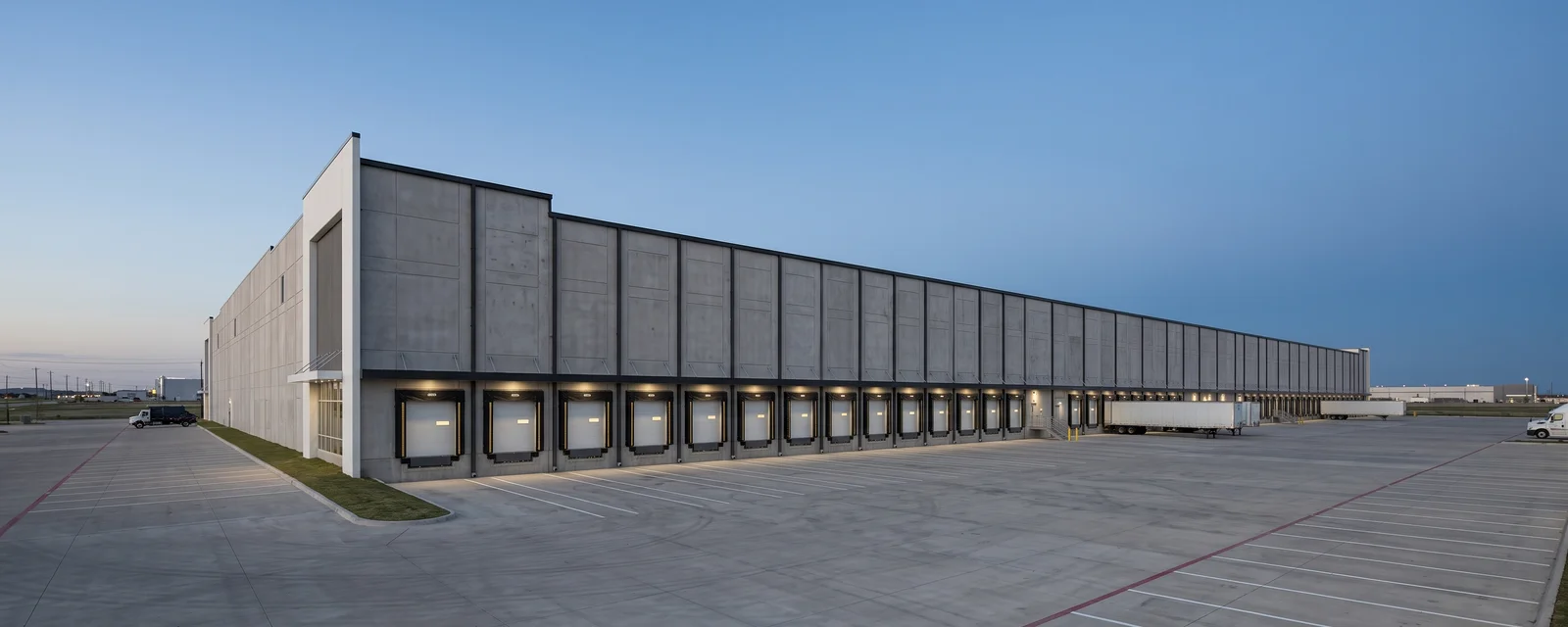
Distribution, fleet, light industrial, branch, and retail facilities in Oklahoma City, Tulsa, and along I-35 and I-40, delivered by AP from its Houston headquarters.
- One delivery system for programs that span Texas and Oklahoma
- Registration, permitting, and local requirements coordinated before contract
- Prequalified trades bid and leveled in BuildingConnected
An approved service area, stated plainly
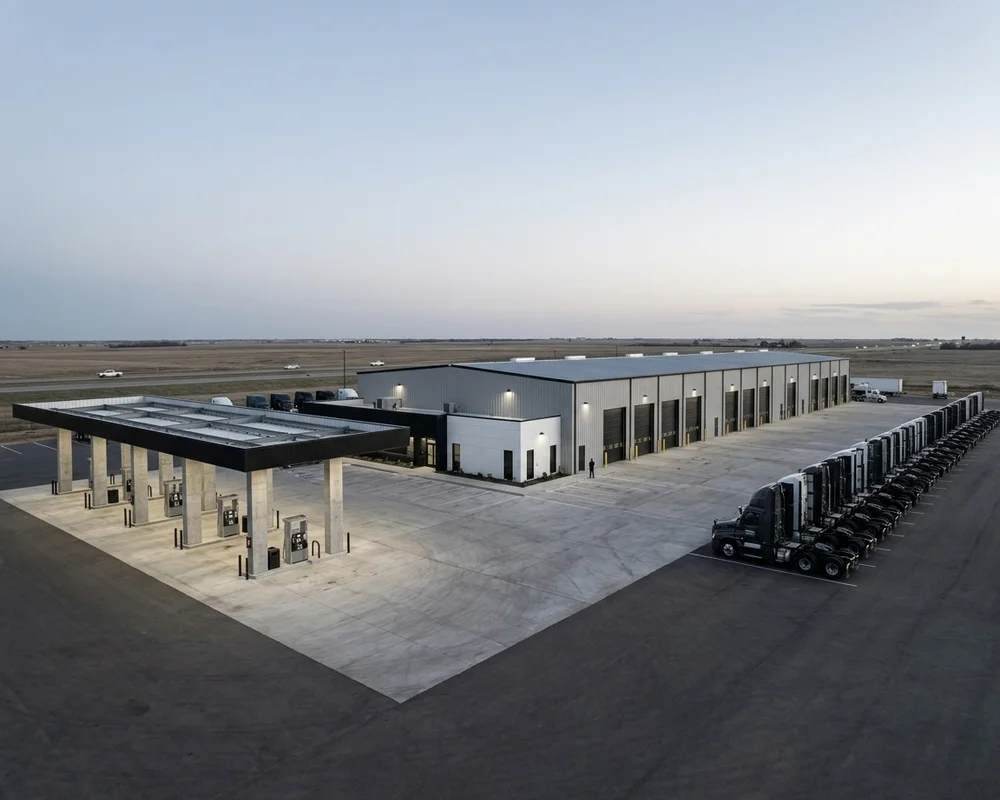
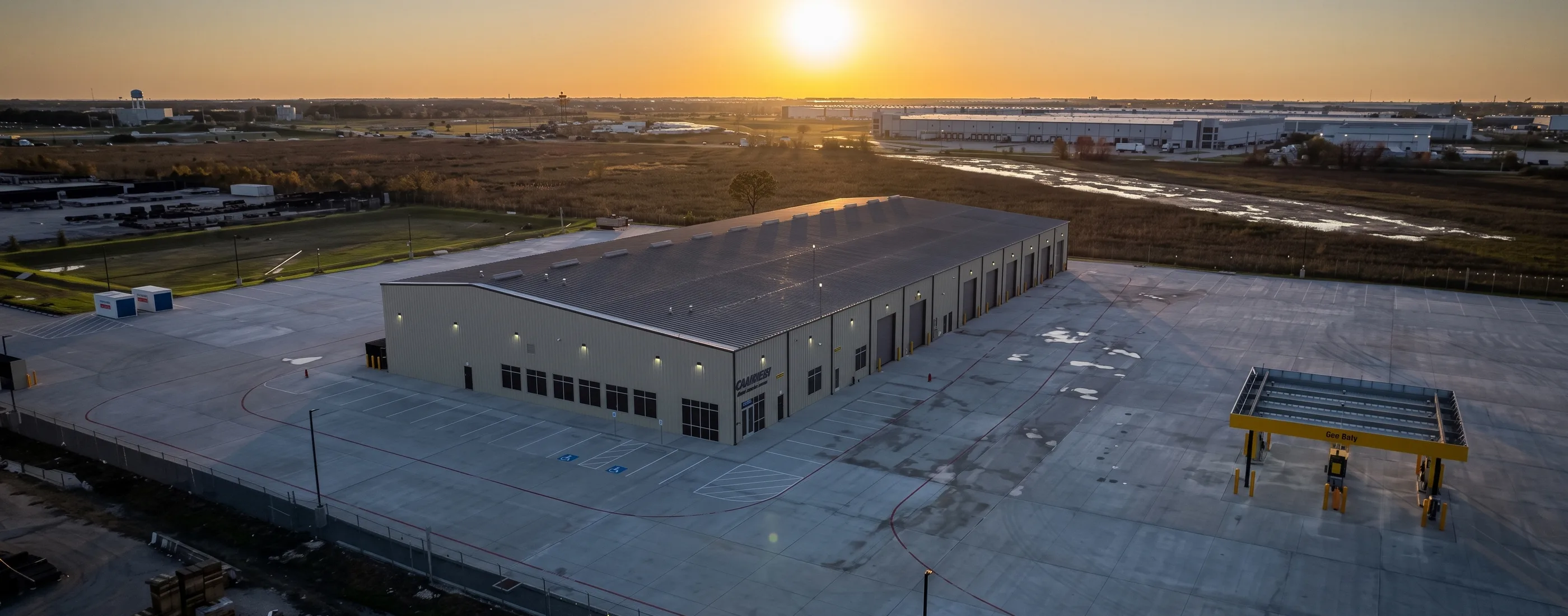
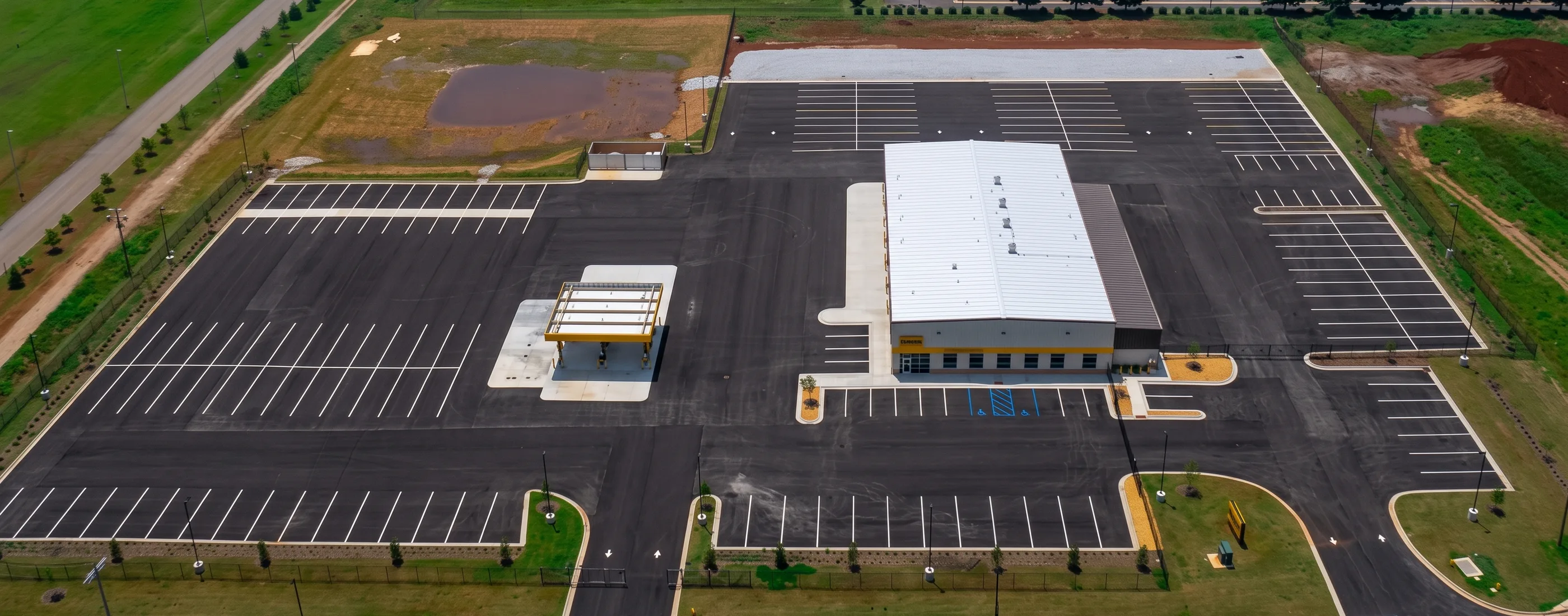
Oklahoma is one of the three states AP serves, run from the Houston headquarters with a field team staffed for each job. What AP offers Oklahoma is the delivery system behind its Texas work: a 20-bay truck service center, a regional fleet facility with fueling and CNG sensing, and a 108,040 SF tilt-wall industrial building, each planned around the operation and delivered by an accountable team.
The most natural Oklahoma project for AP is an extension. A fleet operator, distributor, bank, or retailer with facilities in Texas that needs the next one in Oklahoma City or Tulsa gets the same preconstruction, the same standards, and the same people. That continuity is the reason to bring AP across the Red River.
What Oklahoma owners get from AP
Program continuity
The system that built the Texas facilities applied to the Oklahoma one, so the lessons carry over.
Requirements handled
State and local registration, permitting, and inspection paths confirmed with local partners before contract.
Local trade pricing
Prequalified subcontractors who work Oklahoma, bid and leveled in BuildingConnected.
A field team on site
Superintendent daily, PM and Coordinator on the schedule, third-party safety audits, leadership at milestones.
Extending a Texas program north
Most owners who ask AP about Oklahoma already operate in Texas. A carrier adding a maintenance shop on the I-35 route. A distributor that needs a regional building closer to the Plains. A bank or retailer whose next locations are in the Oklahoma City or Tulsa suburbs. For those owners the question is not whether a contractor exists in Oklahoma. It is whether the next facility will be planned and built to the same standard as the last one.
That is the case AP makes. The preconstruction that priced the Texas facility prices the Oklahoma one. The prototype, the specifications, the long-lead register, and the commissioning checklist carry over. The owner’s team talks to the same people. For a program, that consistency is the product.
Oklahoma City, Tulsa, and the corridors
Oklahoma’s industrial geography follows two interstates. I-35 runs north from the Texas line through Oklahoma City toward Kansas, carrying the same freight that moves through Dallas-Fort Worth and Austin. I-40 crosses the state east to west through Oklahoma City, and the turnpikes connect it to Tulsa and the northeast. Distribution, fleet, and manufacturing users cluster around the two metros and along the corridors between them.
The facilities they need are the ones AP plans everywhere: distribution buildings with the right dock count and trailer parking, truck facilities with bays, fueling, wash, and yards that carry the loads, light industrial buildings with office, production, and warehouse under one roof, and branches and stores that open on a date.
Working in a new state
Crossing a state line changes the paperwork. Contractor registration, tax and business filings, building codes and their local amendments, plan review, and inspection processes all differ between Texas and Oklahoma and between one Oklahoma city and another. AP confirms each of them for the specific site. Before contract, we confirm what the specific project and jurisdiction require and coordinate registrations, permits, and filings with local partners, licensed design and civil consultants, and the authorities that issue the approvals.
Those requirements go into the master schedule as line items with owners and durations. The permit path is mapped, sequenced, and tracked the same way it is on a Texas job, so an Oklahoma project runs on a plan from day one.
The same team and system
On the ground, an Oklahoma project runs like every AP project. A Project Superintendent is on site every day. A Project Manager and Project Coordinator run the master schedule, submittals, RFIs, and change control. Three-week look-ahead schedules sequence the field. A third-party safety-management firm audits the site, superintendents hold OSHA 30 and CPR, First Aid, and AED credentials, and crews train monthly as a company and weekly on site. Leadership stays involved from preconstruction through turnover.
Subcontractors come from AP’s prequalified database, which includes firms that work Oklahoma, and every bid is leveled in BuildingConnected so the owner sees a local number on the complete scope.
Delivery in Oklahoma
How an Oklahoma project runs
01
Requirements confirmed
State and local registrations, codes, and permit paths identified with local partners before contract.
02
Program priced
Prototype and scope carried from the Texas work, bid and leveled with Oklahoma trades in BuildingConnected.
03
Field team on site
Superintendent daily, PM and Coordinator on the schedule, safety audited by a third party.
04
Open on the date
Commissioning, inspections, and turnover sequenced to the opening date set in preconstruction.
Building in Oklahoma: questions
Does AP Construction work in Oklahoma?
Yes. Oklahoma is an approved AP service area alongside Texas and Louisiana. Oklahoma projects are run from the Houston headquarters with a field team staffed for the job, the same preconstruction and delivery system behind AP’s published Texas work, and permitting coordinated with local partners for each site.
Which Oklahoma projects fit AP best?
Distribution and logistics facilities, truck and fleet facilities, light industrial and manufacturing buildings, bank branches, automotive service centers, and retail or workplace projects, especially for owners extending a Texas program north into Oklahoma City, Tulsa, or the corridors between them.
Is AP licensed or registered in Oklahoma?
Contractor registration, permitting, and tax requirements differ by state and by city, and AP confirms and coordinates what a specific Oklahoma project requires with local partners before contract. Ask us about your site and we will walk through the requirements for that jurisdiction.
How does AP handle an Oklahoma jobsite from Houston?
A Project Superintendent is on the site daily, a Project Manager and Project Coordinator run the schedule and submittals, and preconstruction and leadership travel for site walks and milestones. Trade bidding runs through BuildingConnected with prequalified firms that work Oklahoma.
Why use a Texas contractor for an Oklahoma facility?
Continuity. An owner with facilities on both sides of the Red River gets one preconstruction and delivery system, one set of standards, and a team that already knows the program. For a fleet, distribution, or branch rollout, that consistency is worth more than a local address.
Extending a program into Oklahoma?
Tell us the facility, the city, and the date. We will confirm the requirements for that jurisdiction and show you how the Texas system carries north.