
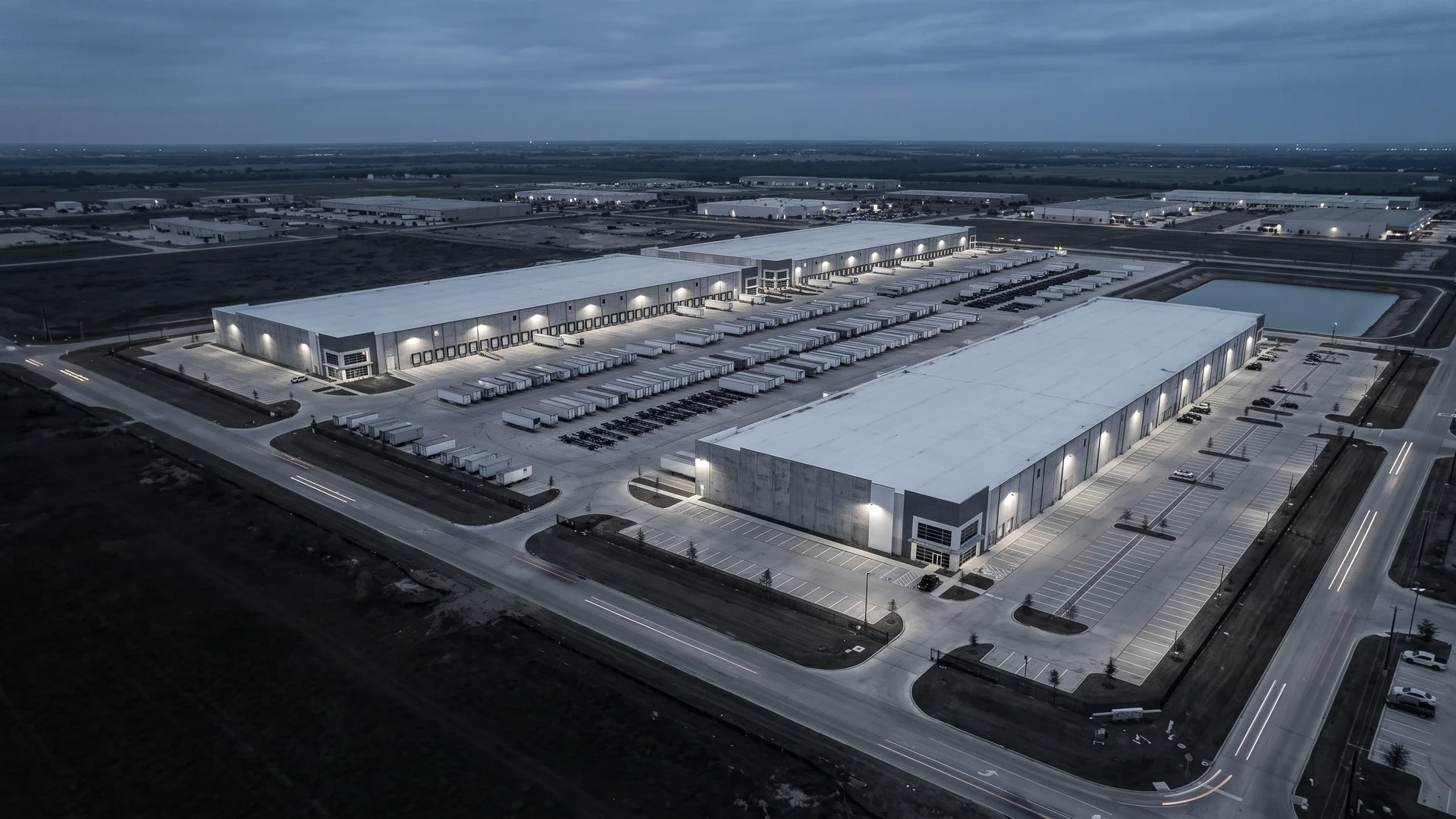
Eight facility types, one delivery system
Facilities built around how they operate
Every market AP serves has its own way of failing when the building is planned without the operation in mind. We build the types we know.
Market knowledge is risk knowledge
A distribution center, a truck service center, and a manufacturing plant can all be tilt-wall boxes on paper. In operation they are different machines. Where the trucks go, how the slab is loaded, what the utilities have to carry, which systems have to be commissioned before opening, and how much of the site the operation needs on day one all change with the market.
AP concentrates on a small set of commercial and light-industrial markets so those questions are familiar before the first meeting. That shows up in preconstruction as a better estimate, in construction as fewer surprises, and at turnover as a facility that runs the way it was meant to. The same technology runs every market: Procore as the project record, BuildingConnected for bidding, and AI-assisted review in preconstruction.
Core markets
What AP builds
Warehouses & Distribution
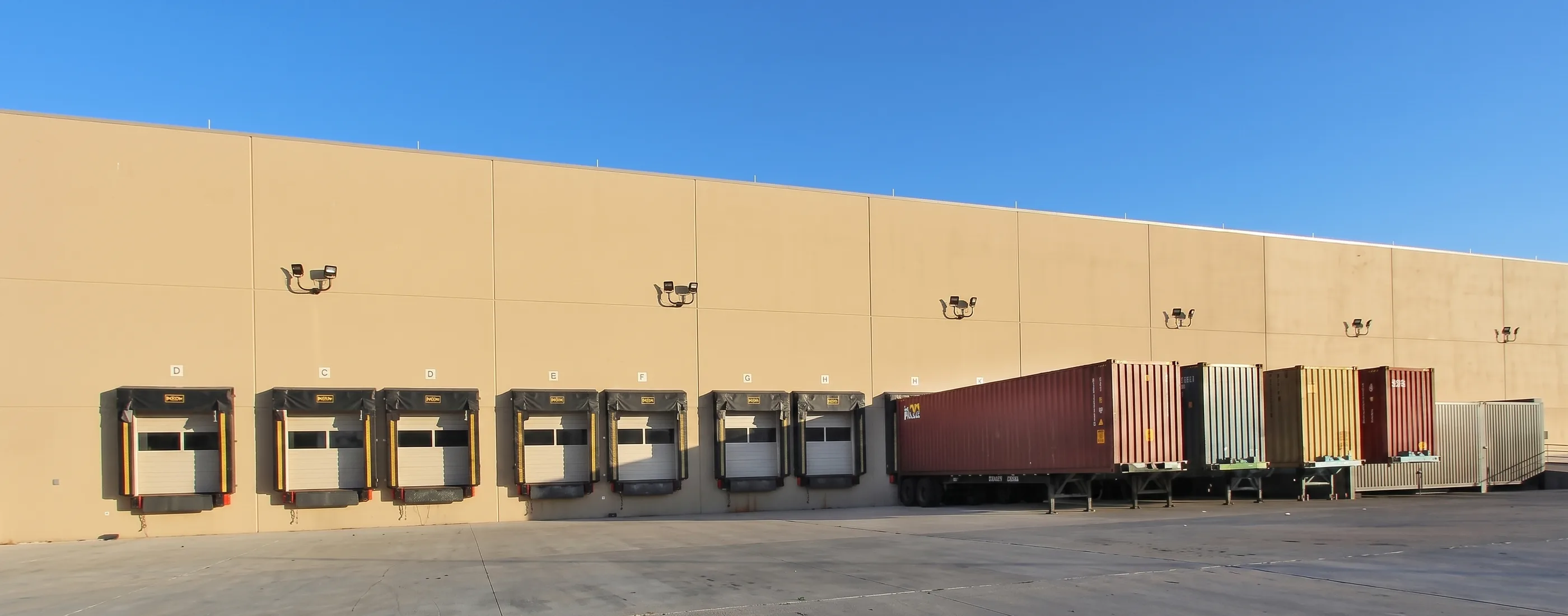
Tilt-wall warehouses, distribution centers, and logistics facilities planned around truck circulation, docks, clear height, slabs, and speed to operation.
Truck & Fleet Facilities
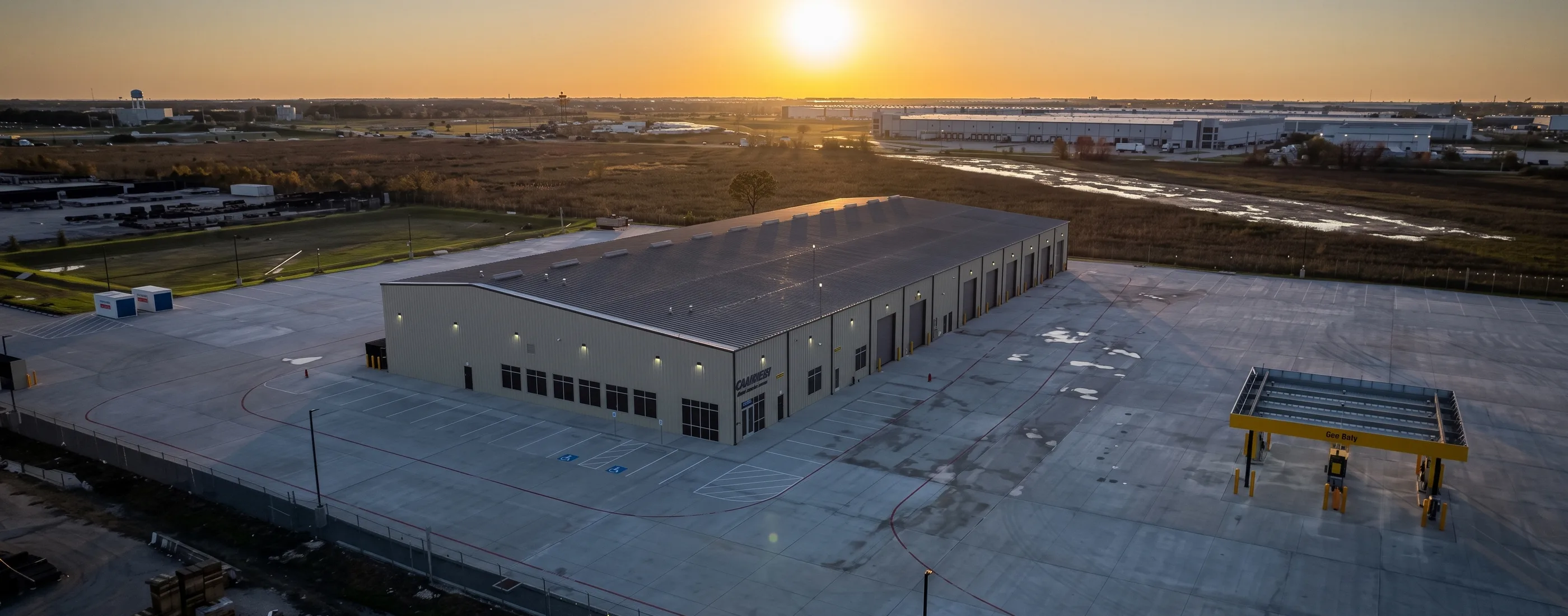
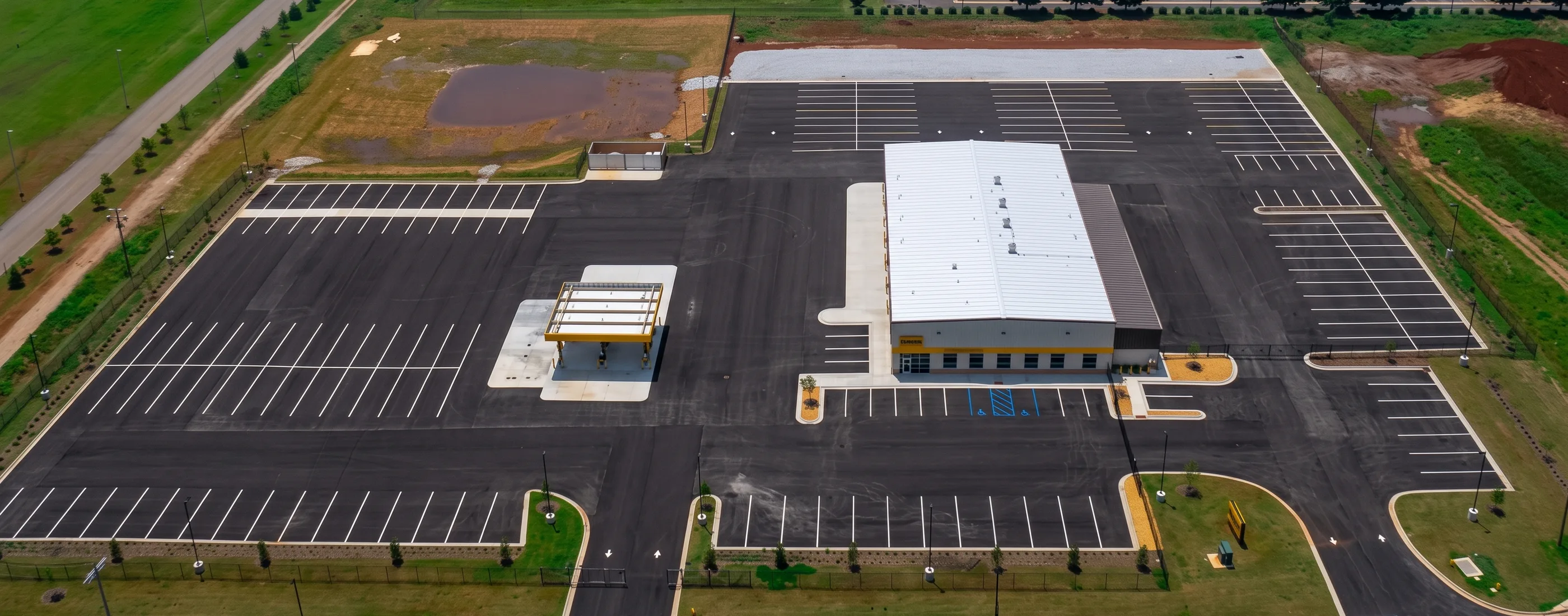
Truck service centers, fleet maintenance shops, fuel islands, truck washes, and heavy-duty yards, proven on two Penske facilities in Texas.
Light Industrial & Manufacturing
Office, production, and warehouse facilities for light manufacturing, assembly, and flex users. Not heavy industrial.
Corporate & Workplace
Headquarters, first-generation office build-outs, and the office component of operational facilities. Substantial workplace projects, not small tenant refreshes.
Bank Branch Construction
New branches, relocations, renovations, and multi-site rollouts for banks and credit unions, built around security, occupied operations, brand standards, and opening dates.
Distribution Centers
High-throughput distribution and logistics facilities: cross-docks, regional DCs, and last-mile buildings planned around dock count, trailer parking, throughput, and speed to operation.
Retail Construction
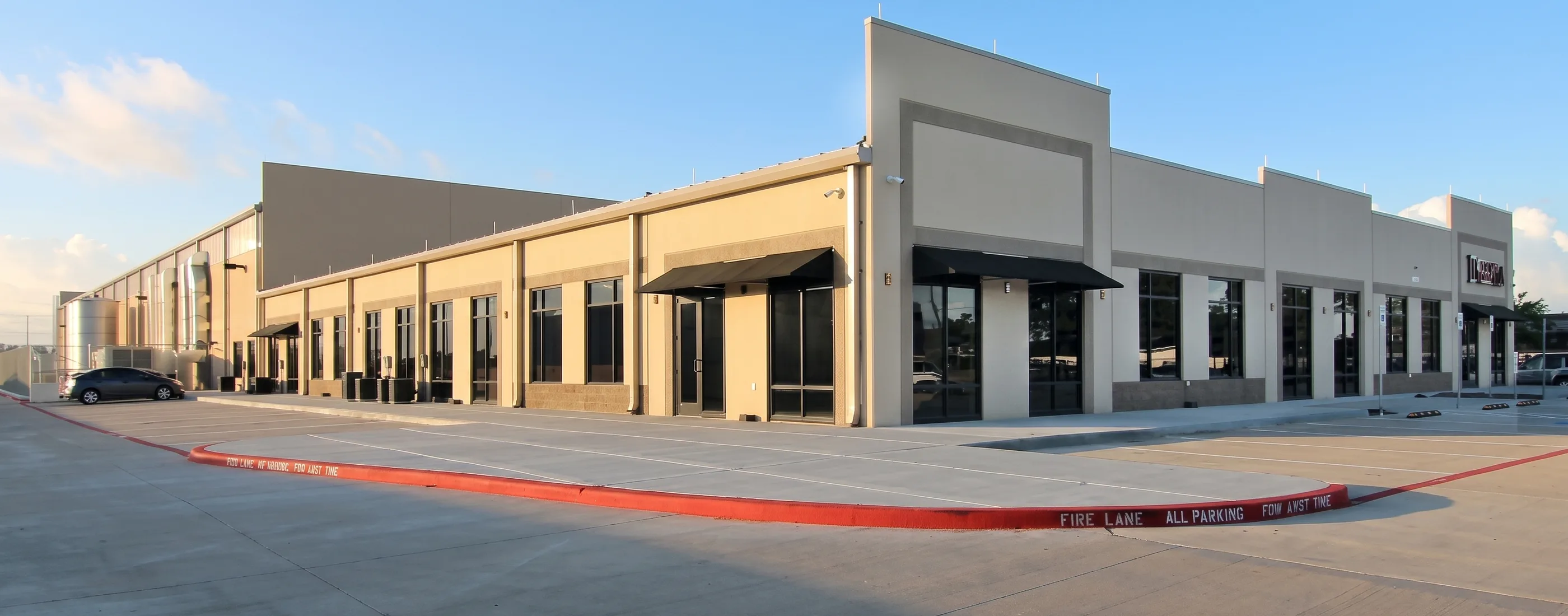
First-generation shopping-center build-outs, freestanding retail, and brand rollouts delivered to a fixed opening date, proven on a 16-week build-out in the Dallas-Fort Worth area.
Automotive Service Centers
Service centers, dealership service departments, and vehicle maintenance facilities with lifts, fluid systems, wash bays, and customer space, drawing on AP’s Penske fleet-facility work.
Pre-Engineered Metal Buildings
Red-iron PEMB warehouses, shops, and fleet facilities for owners who want enclosed, working space faster and at lower cost than tilt-wall, proven on the Penske Dallas facility.
What changes by market, and why it matters
Site and circulation
Truck turning, queuing, staging, and separation from car traffic set the site plan before the building does.
Structure and slab
Clear height, rack loads, forklift traffic, and equipment pads decide the slab and the structural system.
Systems and utilities
Fueling, wash water, compressed air, process power, and fire protection each carry their own permits and lead times.
Turnover and opening
What has to be commissioned, inspected, and trained on before the operation can start on the planned date.
Questions about the markets AP serves
What types of facilities does AP Construction build?
Warehouses and distribution centers, truck service and fleet facilities, light industrial and manufacturing buildings, bank branches, and substantial office and workplace projects. The common thread is a facility that has to operate a certain way from the day it opens.
Does AP build heavy industrial or process plants?
AP focuses on light industrial, logistics, fleet, and commercial facilities, which is where its experience is deepest. Office, production, and warehouse buildings, distribution centers, truck and fleet facilities, bank branches, workplaces, and retail are the projects the team plans and builds every day, and the ones it prices with confidence.
Does AP take on residential, multifamily, or small tenant improvements?
AP focuses on ground-up construction and major build-outs for commercial and light-industrial facilities. That focus is deliberate: it keeps the preconstruction system, the trade partners, and the field teams specialized in the work owners of operational facilities need, from the first site review through turnover.
Why does market experience matter if the building is just a shell?
Because the shell is the easy part. Dock positions, slab design, paving sections, fueling and wash systems, power for production, and turnover sequencing all come from how the facility operates. A contractor who has built the type knows which questions to ask before they cost money.
Does AP build bank branches?
Yes. AP builds new branches, renovates and rebrands occupied branches, and runs multi-site rollout programs for banks and credit unions. Security coordination, phasing around live operations, and brand standards are planned in preconstruction. See the bank branch page for how.
Services
How AP delivers in every market
Building a facility in one of these markets?
Tell us the type, the site, and the date it needs to operate. We will show you relevant work and the questions to answer first.