
Houston, Dallas-Fort Worth, Austin, San Antonio
Industrial and commercial construction across Texas
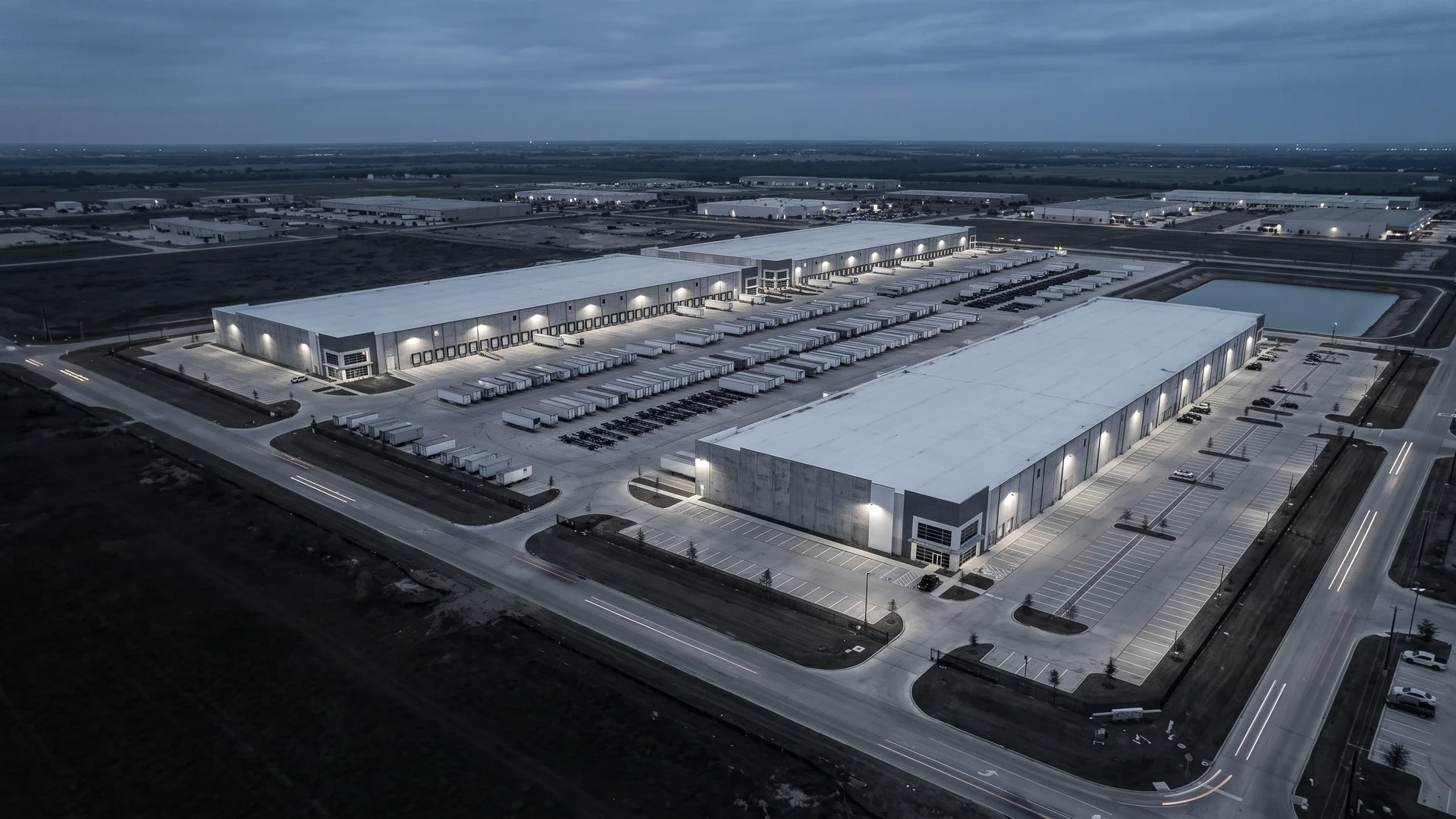
Houston-based, Texas-focused. Completed warehouses, truck facilities, and industrial buildings in the Houston metro and Dallas-Fort Worth, planned around how they operate.
- Headquartered in Houston with project teams staffed to every site
- Completed work in the Houston metro and Dallas-Fort Worth; active growth in Austin and San Antonio
- Permitting, drainage, and long-lead procurement planned for Texas conditions
Built in Texas, for Texas conditions
Texas industrial construction has its own rules. Sites are flat and drainage decides what is buildable. Summers push concrete placement to early hours. Trucks are everywhere, so paving and circulation carry the facility. And every city and county has its own way of reviewing a permit.
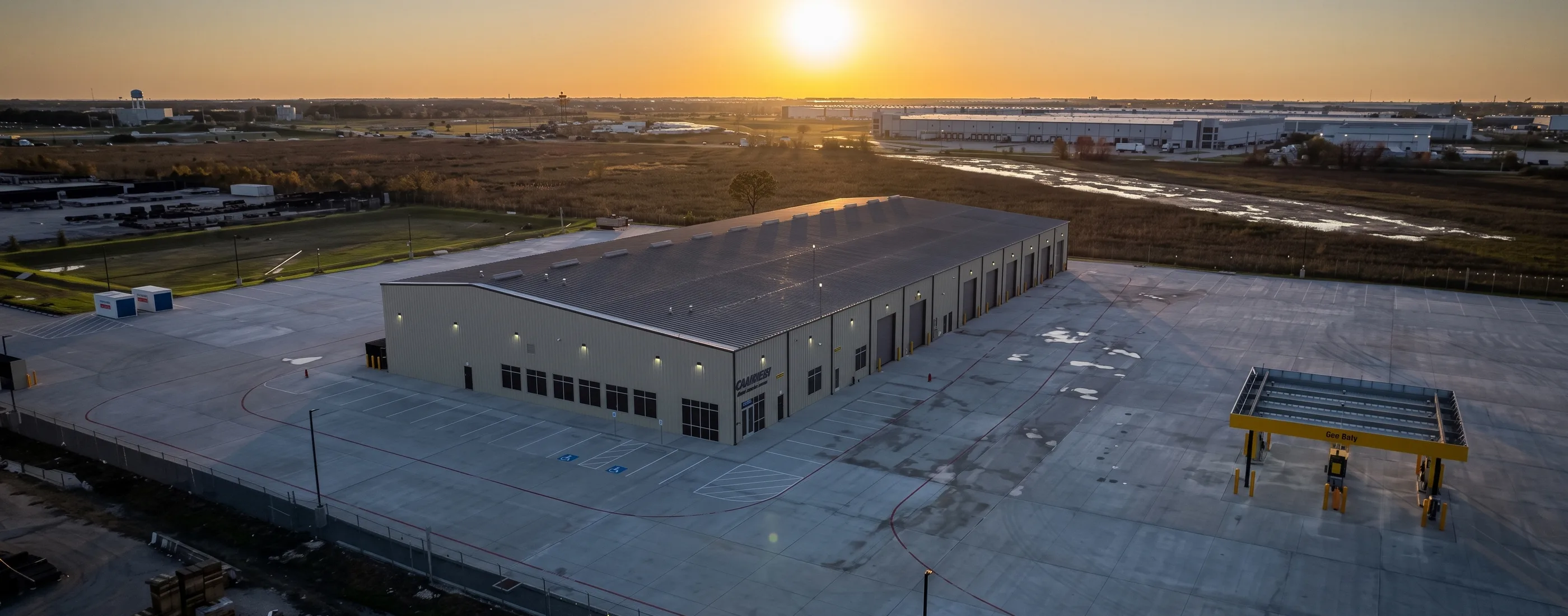
AP has built inside those conditions: a 20-bay truck service center and a 108,040 SF tilt-wall facility in the Houston metro, a regional fleet facility and first-generation build-outs in Dallas-Fort Worth. Each was planned from the Houston headquarters and delivered by a team on the site.
Texas is where AP expects to grow. Houston and Dallas-Fort Worth have completed work, Austin and San Antonio are where AP is pushing next, and other industrial markets follow as owners bring us sites.
What Texas owners get from AP
One planning team
Preconstruction, estimating, and leadership work from Houston, so every Texas project is priced and planned the same way.
A team on the site
A Project Manager, Superintendent, and Project Coordinator are assigned to each job, and the superintendent runs the field daily.
Jurisdictions mapped early
City, county, and state approvals are identified for the specific site and built into the schedule before mobilization.
Facility-type experience
Warehouses, fleet facilities, and light industrial buildings AP has actually built in Texas, with the numbers to show for it.
Cities, counties, and permits
There is no single Texas permit. A site inside a city follows that city’s code, plan review, and inspection process. A site in an unincorporated area follows county requirements and state rules, often with a different drainage authority and a different fire marshal. Two sites a few miles apart can have different submittal formats, review durations, and utility providers.
AP treats that as a planning task. During preconstruction we identify the jurisdiction, the reviewing agencies, and the consultants who will prepare each submittal, then set durations for review and response. Licensed civil engineers, environmental consultants, architects, and engineers perform the design and prepare the applications. AP coordinates the sequence, keeps the reviews moving, and carries the dates in the master schedule.
Drainage, utilities, and grading
Flat land and heavy rain define Texas site work. Detention volume, outfall location, and finished floor elevation are decided by the drainage design, and they in turn decide how much of a site can be paved or built on. Settling it early keeps the building and the yard where the operation needs them.
Utilities follow. Industrial and fleet facilities draw more power and water than their footprint suggests, so confirming the capacity on the street early keeps the plan on solid ground. AP checks utility availability, transformer and service lead times, and water and sewer capacity during site review, and coordinates the civil package so grading, drainage, and utility routing are resolved together rather than one at a time.
Long-lead procurement
Texas projects compete for the same electrical gear, roof systems, pre-engineered building packages, dock equipment, and specialty systems as everyone else. Lead times for switchgear and transformers in particular can run well past a normal construction duration.
We identify long-lead items in estimating, confirm current lead times with suppliers, and set release dates that hold the operational date. When something has to be bought before the construction contract is signed, the owner hears it early, with the reason and the cost of waiting.
Where AP has built
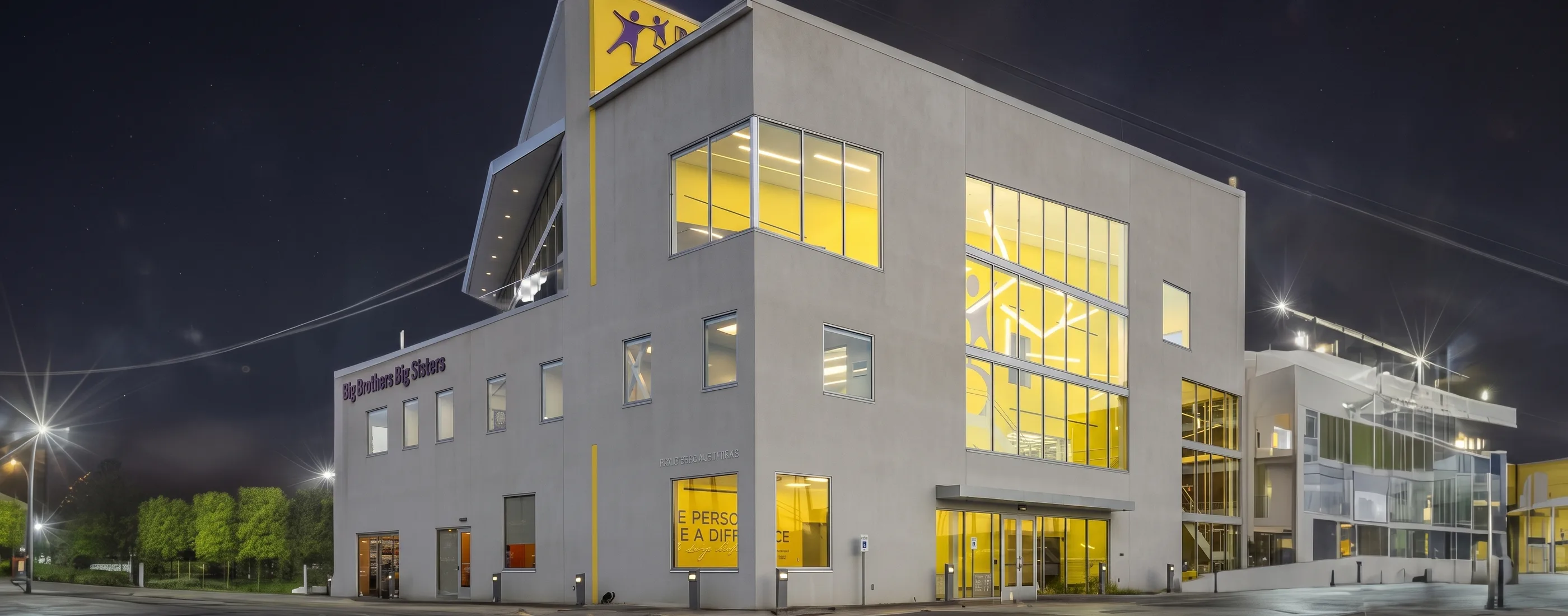
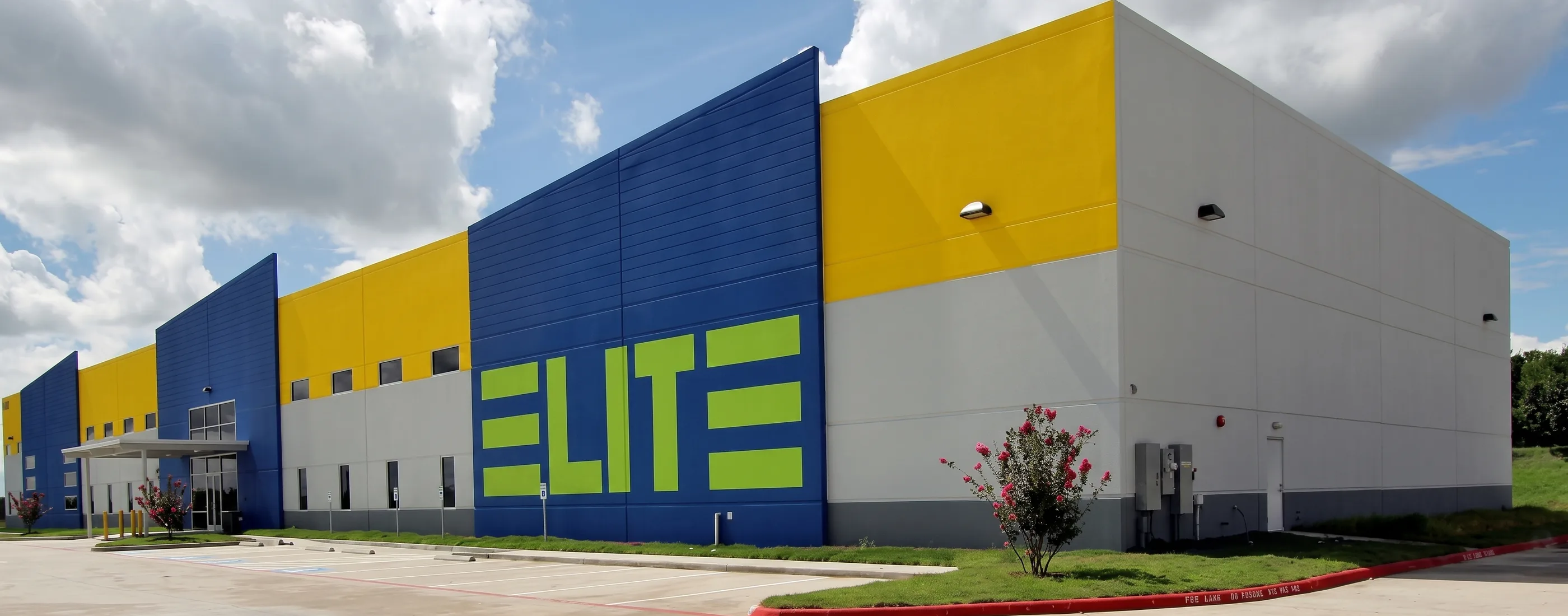
Houston metro. The headquarters market. The Penske Katy Service Center, a 20-bay truck facility with 8 acres of heavy-duty paving. Dishaka, 108,040 SF of tilt-wall office, production, and warehouse on 9 acres. The Elite Volleyball training facility and the Big Brothers Big Sisters headquarters. Read more on the Houston page.
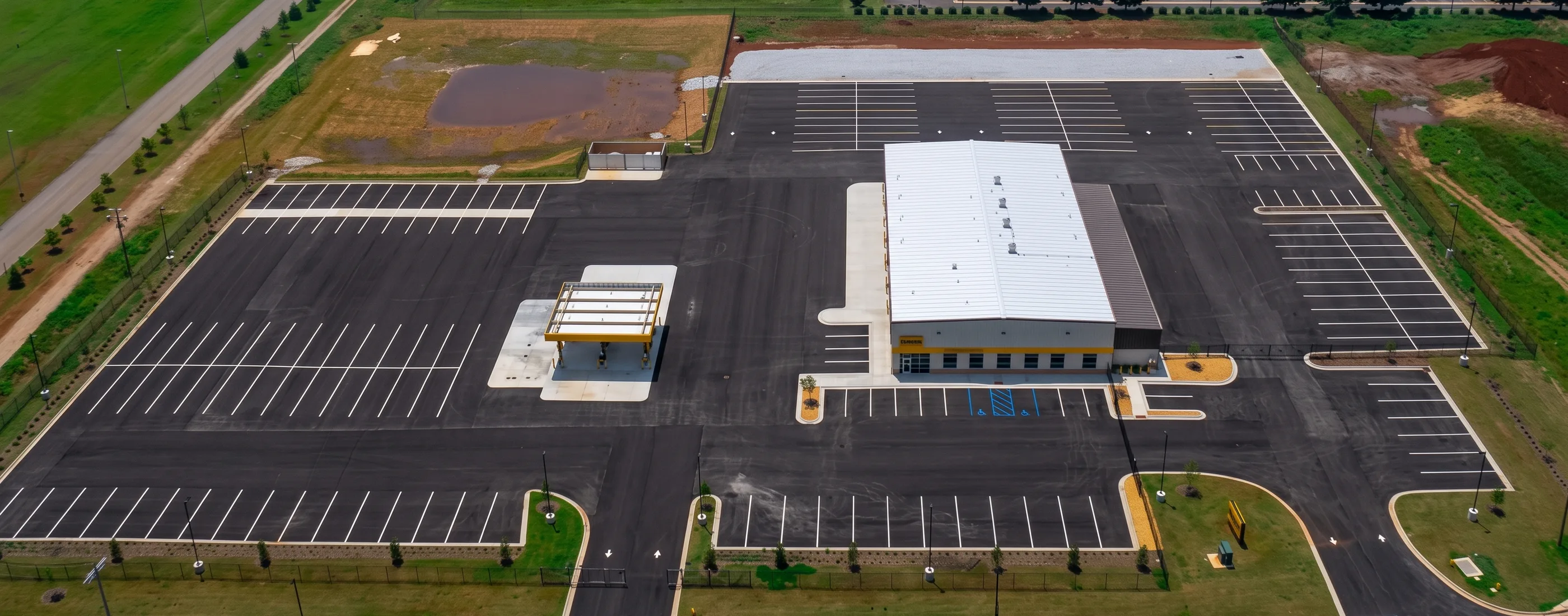
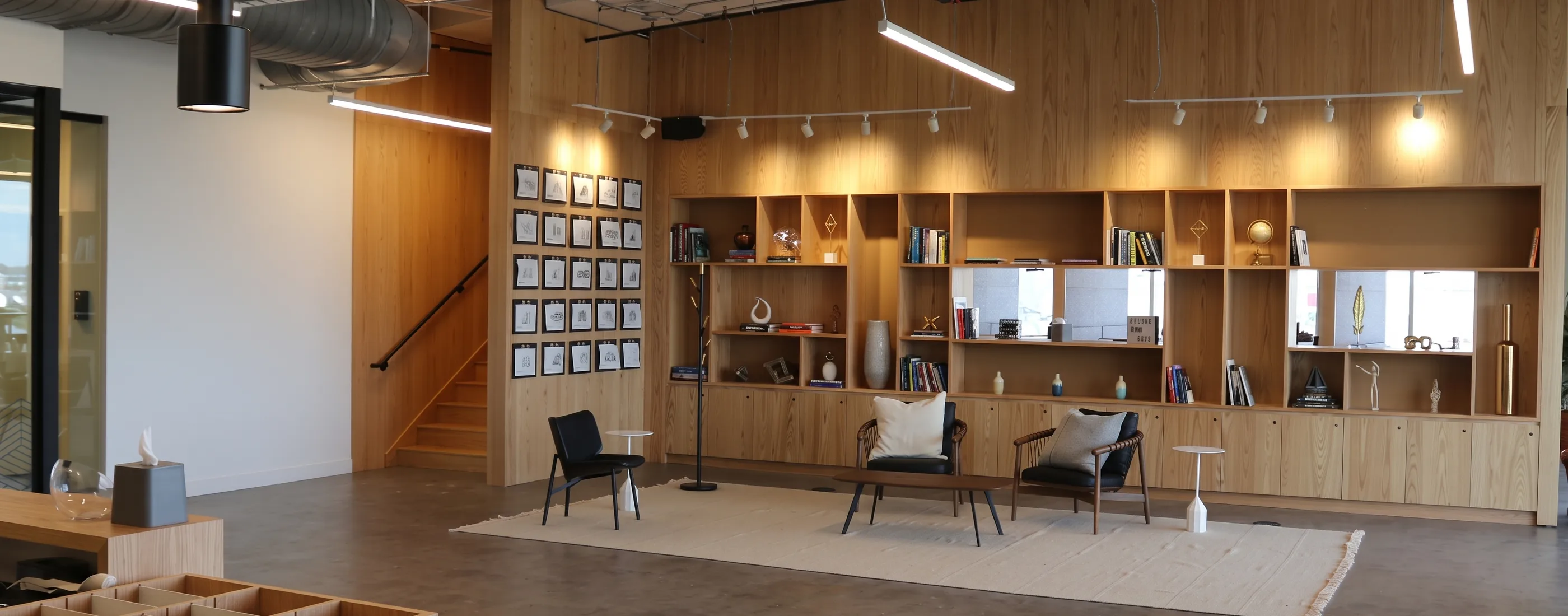
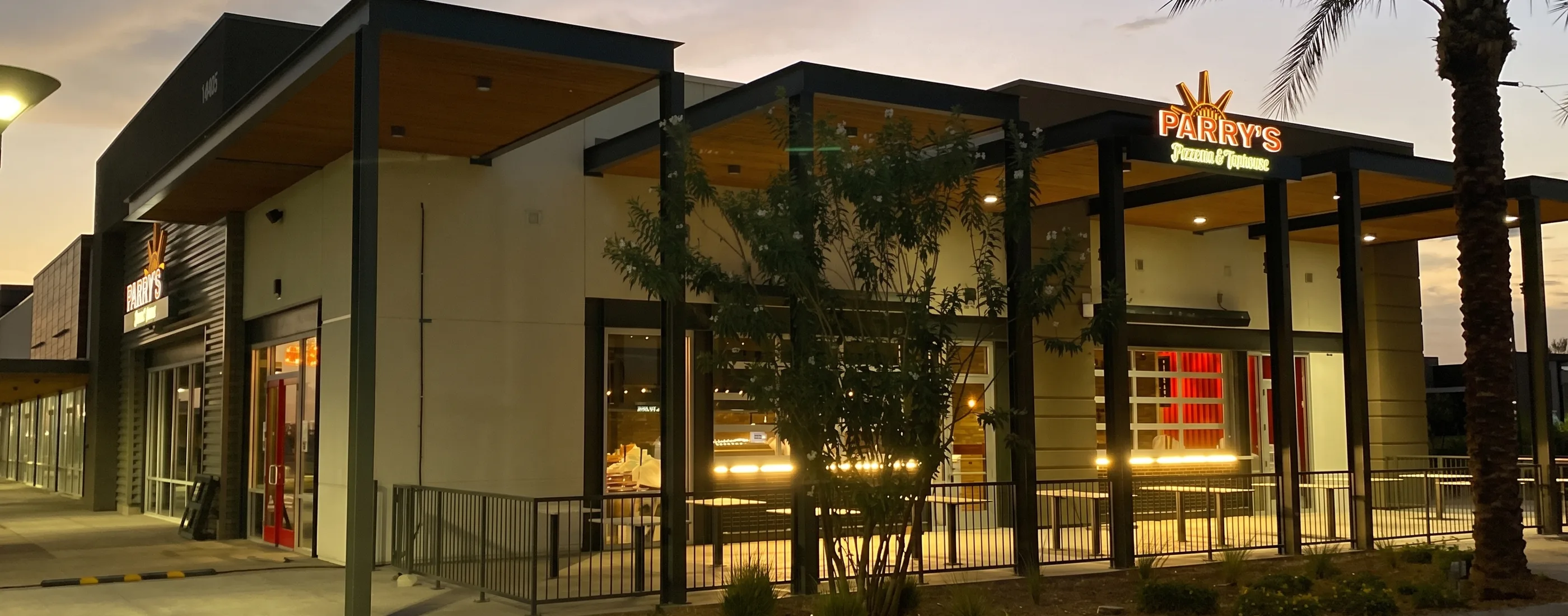
Dallas-Fort Worth. The Penske Dallas regional facility, 17,340 SF with five bays, a two-lane fuel island, CNG sensing, a truck wash, and lifts. The Regus two-floor, first-generation high-rise build-out. A first-generation shopping-center build-out on a 16-week schedule. Dallas-Fort Worth is served from Houston with a project team assigned to each site.
Other Texas industrial markets. The same preconstruction and delivery system applies anywhere in the state. Bring us the site and we will show you how it would be staffed and planned.
Headquarters: 12848 Queensbury Ln #208, Houston, TX 77024. Phone (346) 222-4999, Monday to Friday, 9:00 AM to 5:00 PM.
Texas project
Dishaka Industrial Facility
108,040
Total facility
58,951
Warehouse
32,049
Production
9
Site
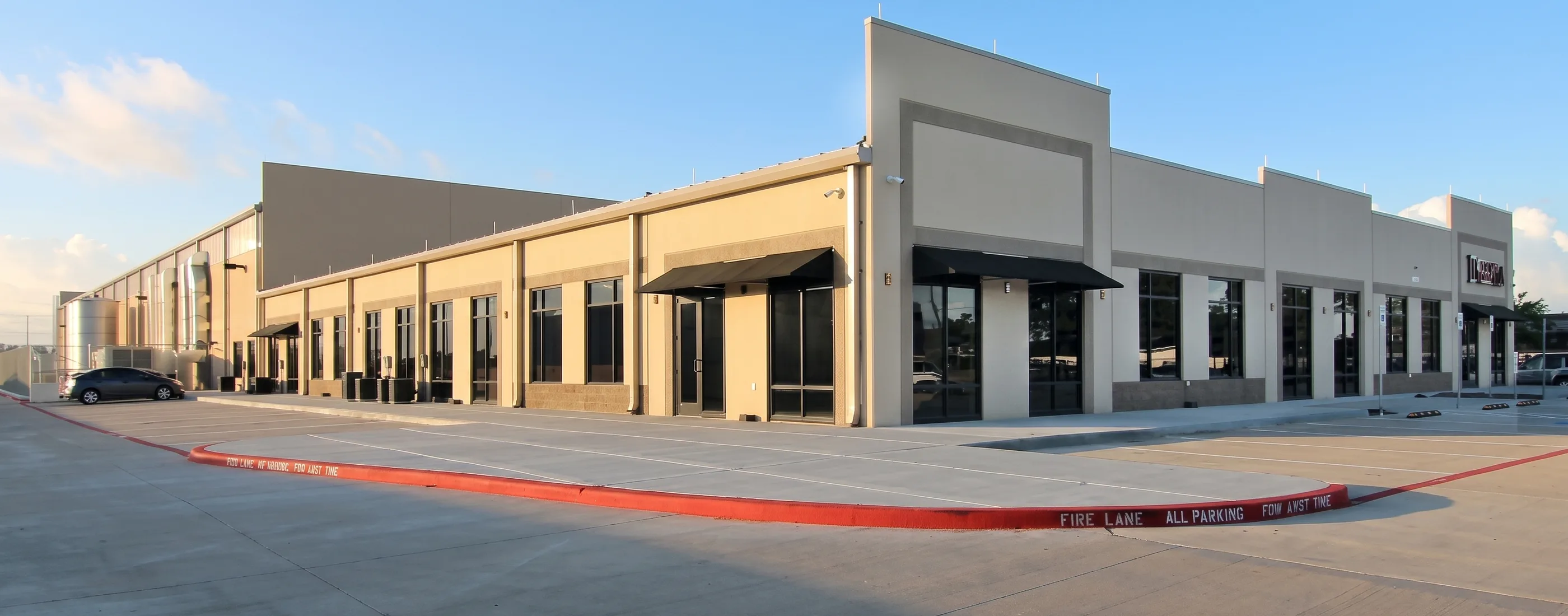
A 108,040 SF tilt-wall facility on nine acres in Stafford that puts 17,040 SF of office, 32,049 SF of production, and 58,951 SF of warehouse under one roof.
Statewide
How a Texas project runs with AP
01
Site and jurisdiction review
Drainage, utilities, access, soils, and the reviewing agencies identified for the specific site.
02
Preconstruction
Staged estimates, bid leveling in BuildingConnected, constructability review, and the long-lead register.
03
Team to the site
A Project Manager, Superintendent, and Project Coordinator assigned; the superintendent runs three-week look-aheads.
04
Turnover
Inspections, commissioning coordination, and closeout sequenced so the facility opens on the planned date.
Completed in Texas
All projectsPenske Katy Service Center
Penske Dallas Regional Facility
Dishaka Industrial Facility
Regus
Big Brothers Big Sisters
Parry’s Pizza
Elite Volleyball
Building in Texas: questions
What kind of contractor is AP Construction in Texas?
AP is a Houston-based commercial general contractor and construction manager focused on light industrial and operational facilities: warehouses, distribution centers, truck and fleet facilities, light manufacturing, bank branches, and substantial workplace projects. Texas is its primary market.
Which parts of Texas does AP serve?
All of Texas. Houston is home and Dallas-Fort Worth has completed work; Austin and San Antonio are active growth markets served by the same team, and other Texas industrial markets follow. Tell us the site and we will confirm how we would staff it.
How does Texas permitting affect an industrial schedule?
Permitting and entitlement rules change by city and county, and unincorporated sites follow county and state requirements rather than a city code. AP maps the approvals for each site with the jurisdiction and the licensed consultants who prepare submittals, then sequences them into the schedule.
Why is drainage such a large part of Texas site work?
Much of Texas is flat, and storm events are intense. Detention, grading, and outfall design decide how much of a site is buildable and how the yard performs. AP coordinates civil engineers early so drainage is settled before the building footprint and paving are fixed.
Does AP build tilt-wall warehouses in Texas?
Yes. Dishaka’s 108,040 SF office, production, and warehouse facility in the Houston area is tilt-wall concrete on a nine-acre site. Tilt-wall suits Texas industrial work because the slab doubles as the casting bed and a perimeter can stand within days once panels are cast.
Can AP take a Texas project from site selection through opening?
Yes. Development consulting covers feasibility and entitlement, preconstruction settles cost and schedule, and construction management or design-build carries the facility through turnover. Owners can engage one phase or the whole path.
Planning a facility in Texas?
Send us the site and the program. We will map the jurisdiction, the drainage, and the long-lead items before anyone commits.