
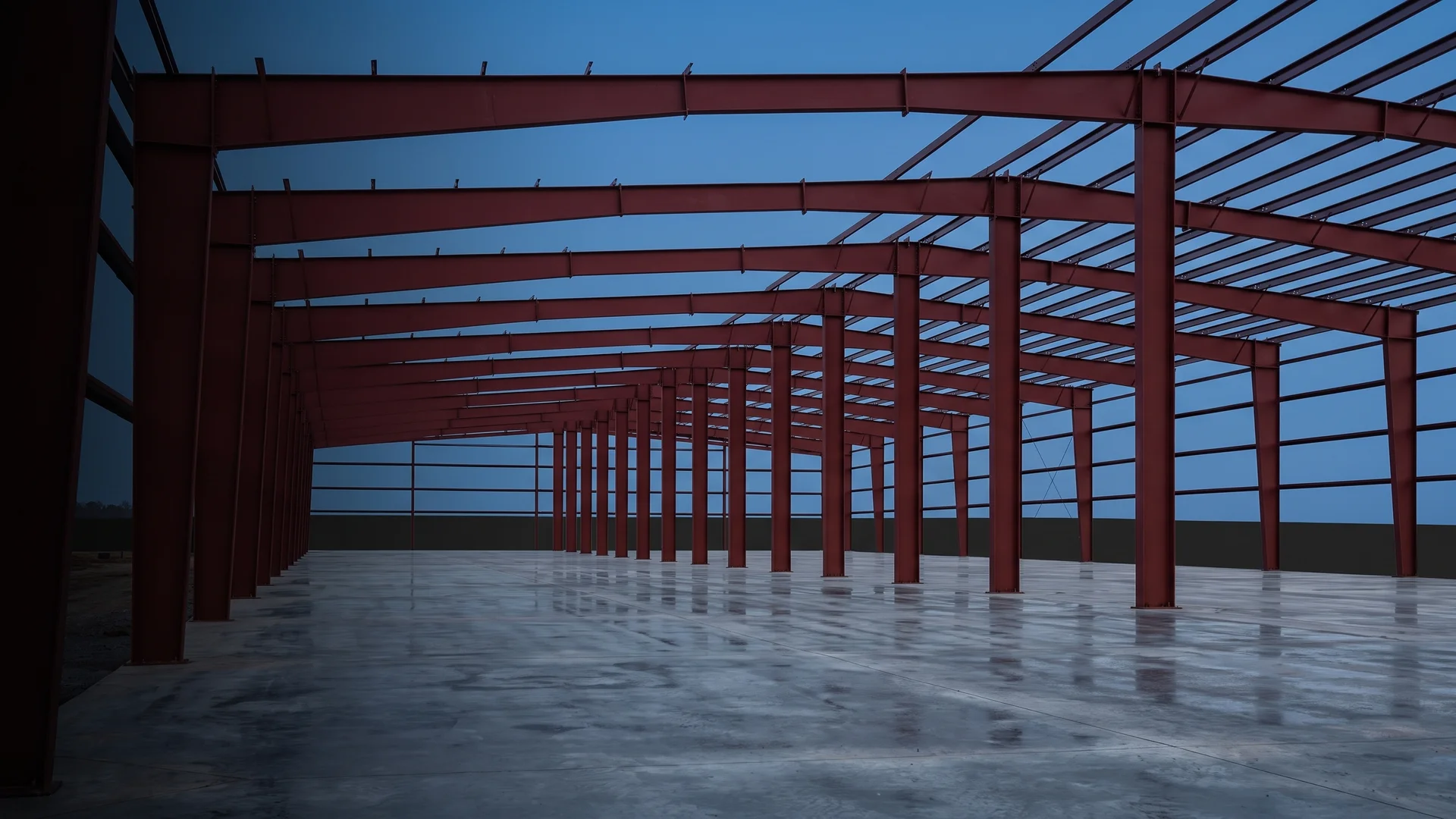
I-35 corridor coverage from Houston
Austin industrial and commercial construction, done with discipline
AP serves Austin and the Central Texas I-35 corridor with distribution, fleet, light industrial, branch, and workplace projects from its Houston headquarters.
- Preconstruction that settles cost, scope, and schedule before mobilization
- Bids leveled in BuildingConnected against Central Texas trades
- A Superintendent on site daily and Houston leadership at every milestone
Central Texas, covered from Houston
Austin is a growth market AP is actively pursuing, served by the same Houston-based team and delivery system behind the published Houston and Dallas-Fort Worth projects. What AP brings to Central Texas is a delivery system that has already produced a 20-bay truck service center, a regional fleet facility with fueling and CNG sensing, and a 108,040 SF tilt-wall industrial building elsewhere in the state.
Austin is a natural extension of that work. The corridor between San Antonio and the northern suburbs has drawn distribution, manufacturing, fleet, and financial users who need facilities to open on a date and run correctly from the first day. Those are the projects AP is built for, and the drive from Houston is short enough that leadership is in the room when it matters.
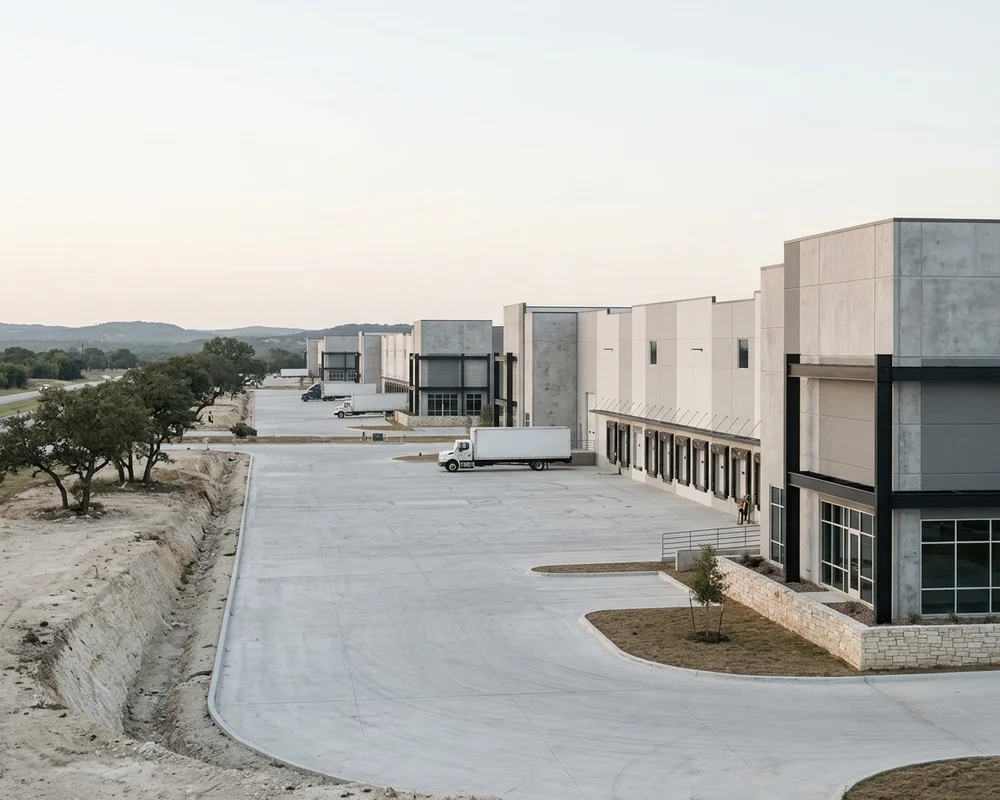
What Austin owners get from AP
Real evidence
Published project facts from Houston and Dallas-Fort Worth, delivered by the team that serves Austin.
Local numbers
Trade bids from prequalified Central Texas subcontractors, leveled in BuildingConnected on the full scope.
Jurisdiction mapped early
City, ETJ, or county confirmed in preconstruction, with every approval sequenced into the schedule.
Ground conditions priced
Geotechnical and civil review before the estimate, so rock, clay, and drainage are in the number from the start.
The I-35 corridor and Central Texas growth
Austin’s industrial and commercial growth runs along I-35 and the loops and toll roads that feed it, north toward Round Rock and Georgetown, south toward San Marcos, and east along the corridors toward the airport and the highway to Houston. Distribution users want proximity to the interstate and to a growing consumer base. Manufacturing and fleet users want sites with room for trucks and utilities that can carry the load. Banks and retailers follow the population into the suburbs.
Each of those users needs a building planned around its operation. A last-mile facility lives or dies on dock count, van staging, and circulation. A service center needs bays, lifts, fluid systems, and a yard that can take the traffic. A branch needs security, brand standards, and an opening date. AP plans for the operation first and the shell second.
Cities, counties, and ETJs
The Austin region is a patchwork. A parcel may fall inside the City of Austin, inside one of the fast-growing suburban cities, inside a city’s extraterritorial jurisdiction where some rules apply and others do not, or on unincorporated county land. The review process, the drainage and site development expectations, and the time it takes to get an answer change with each.
AP handles that as a preconstruction deliverable. We confirm the jurisdiction for the specific parcel, list every approval and who prepares it, and build review durations into the master schedule. Civil engineers, architects, and other licensed consultants prepare the submittals. AP coordinates the sequence and follows up so every comment letter gets a prompt answer.
Rock, clay, and water
Central Texas ground is not Houston ground. Within a single site the subsurface can move from shallow limestone to expansive clay, and each calls for a different approach to excavation, foundations, and slab design. Water matters too: the region has its own drainage and water-quality expectations, and creeks and floodplains can shape how much of a parcel is buildable.
AP brings geotechnical and civil consultants into the site review before the estimate is built. The soils report drives the foundation and slab pricing. The drainage plan drives the footprint and paving. Owners get a number that reflects the parcel they own.
One system, extended to Austin
Every AP project runs the same way regardless of the city. Preconstruction settles cost, scope, and schedule, with estimating and bid leveling in BuildingConnected and long-lead items flagged with release dates. A Project Manager, Project Superintendent, and Project Coordinator carry the job from mobilization to turnover, with the superintendent on site daily and three-week look-ahead schedules driving the field. A third-party safety-management firm audits the site. Leadership stays involved from the first meeting to the opening.
For an Austin owner, that means a proven process arriving at a new address. The subcontractors are prequalified and local. The team is staffed for the job. And Houston is close enough that the people who priced the project can walk the site with you.
Delivery in Austin
How an Austin project runs
01
Parcel review
Jurisdiction, ETJ or county status, drainage, utilities, and ground conditions confirmed with licensed consultants.
02
Local pricing
Central Texas trades bid and leveled in BuildingConnected, long-lead items scheduled.
03
Staffed for the site
Superintendent daily, PM and Coordinator on the schedule, leadership at milestones.
04
Open on schedule
Inspections, commissioning, and turnover sequenced to the date set in preconstruction.
Evidence from elsewhere in Texas
All projects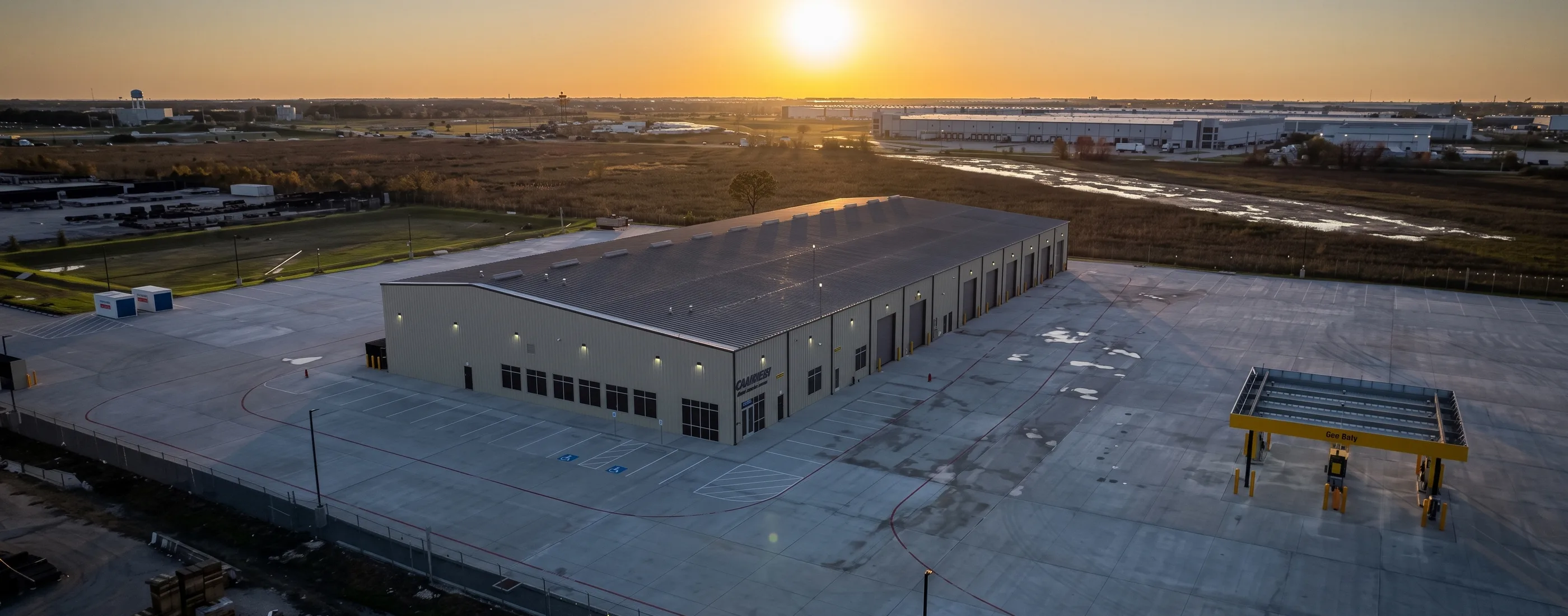
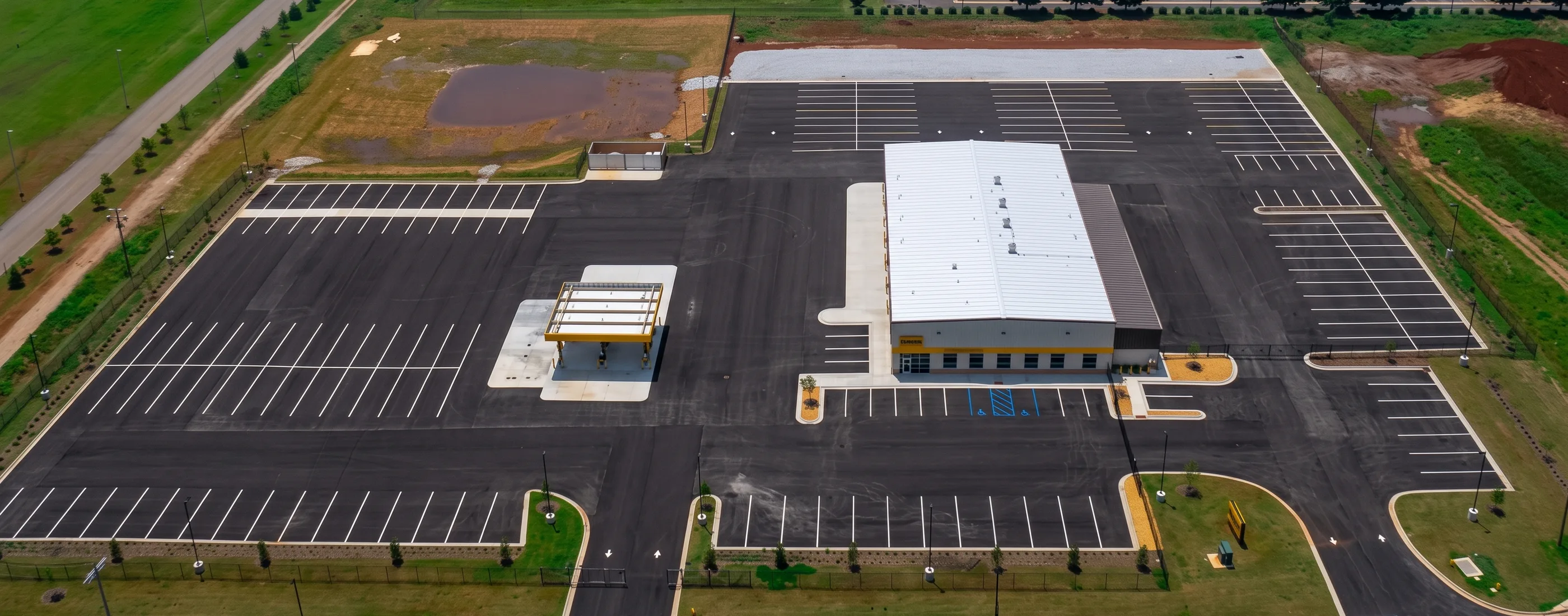
Building in Austin: questions
Has AP Construction completed a project in Austin?
AP’s published projects are in the Houston and Dallas-Fort Worth areas, and Austin is an active growth market served as part of the Texas service area. What comes to an Austin project is the same team, preconstruction system, and subcontractor bidding process that delivered the Penske and Dishaka facilities.
What kinds of Austin projects is AP looking for?
Distribution and logistics centers, truck and fleet facilities, light industrial and manufacturing buildings, bank branches, automotive service centers, retail build-outs, and substantial workplace projects. Ground-up and major build-outs across the markets AP serves.
How does AP staff an Austin project from Houston?
With a Project Superintendent on the site daily, a Project Manager and Project Coordinator running the schedule and submittals, and preconstruction and leadership traveling for site walks and milestones. Houston to Austin is a short drive, and the project team is built for the job.
What makes permitting in the Austin area different?
The region mixes the City of Austin, fast-growing suburbs, extraterritorial jurisdictions, and unincorporated county land, each with its own review process and expectations on site development and drainage. AP confirms the exact jurisdiction for a parcel in preconstruction and sequences the approvals into the schedule.
How do Central Texas site conditions affect an industrial building?
Ground conditions in the region can shift from shallow rock to expansive clay within a short distance, and that decides excavation, foundation, and slab approach. AP brings geotechnical and civil consultants into site review early so the estimate reflects the actual parcel rather than an assumption.
Can AP price an Austin project against local subcontractors?
Yes. Bidding runs through BuildingConnected with trades from AP’s prequalified database, and invitations go to firms that work Central Texas. Bids are leveled line by line so the owner sees a local number on the complete scope.
Planning a facility in the Austin area?
Send us the parcel and the program. We will confirm the jurisdiction, review the ground, and tell you what it should cost and when it can open.